


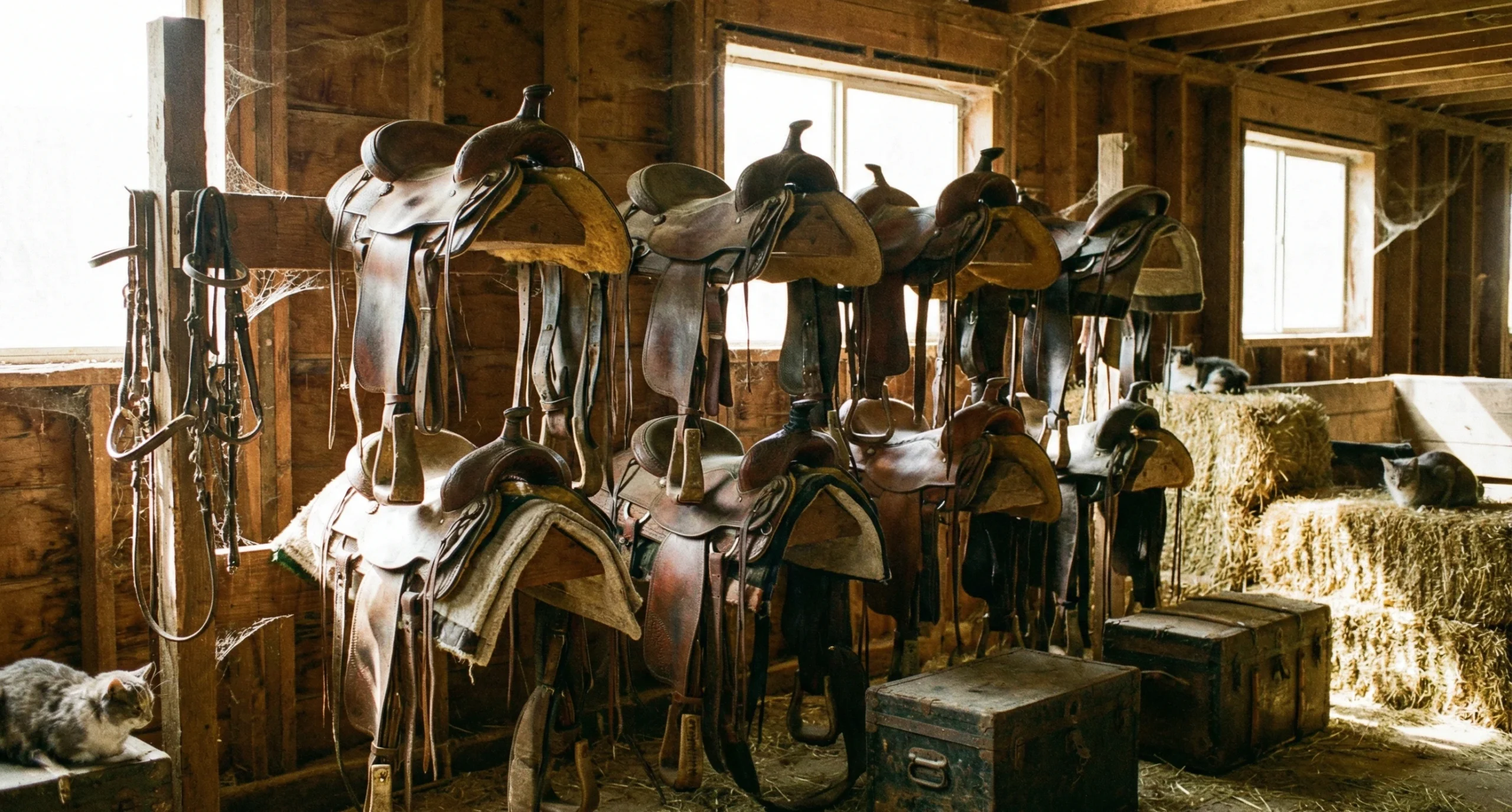
Choosing the right saddle is one of the most important decisions a horse owner can make. A saddle affects the comfort of both the horse and rider, making it essential to select a design that matches the type of riding being done.
Western riding includes many different activities, from relaxing trail rides to competitive events and ranch work. Because each activity requires different movements and levels of support, manufacturers developed various saddle designs to meet specific needs. Understanding the different types of western saddles can help riders choose equipment that fits their goals.
Western saddles are not one-size-fits-all. Features such as seat depth, horn style, saddle weight, and tree design can vary depending on the intended purpose.
Why Western Saddles Come in Different Designs
Western saddles were originally developed for long hours of horseback work, particularly activities involving cattle and ranch environments. Over time, riders began using horses for different disciplines, which led to specialized saddle designs.
For example, a saddle designed for roping requires strength and stability, while a barrel racing saddle focuses on allowing quick turns and speed. A trail saddle prioritizes comfort during longer rides.
The right saddle allows riders to maintain balance while supporting the horse’s movement.
Common Types of Western Saddles
Trail Saddles
Trail saddles are designed for comfort during recreational riding and longer journeys. Riders who spend hours exploring trails often prefer these saddles because they are built with rider comfort and horse support in mind.
Common features include:
- Comfortable seat designs
- Balanced weight distribution
- Attachment points for trail gear
- Support for extended riding sessions
Trail saddles are a popular choice for riders who enjoy outdoor adventures and relaxed riding experiences.
Ranch Saddles
Ranch saddles are designed for riders who spend significant time working around livestock. These saddles are built for durability and stability during long working days.
Typical features include:
- Strong saddle trees
- Durable leather construction
- Secure seating position
- Designs suited for ranch activities
Because ranch work can involve changing conditions and long hours, these saddles focus on reliability.
Roping Saddles
Roping saddles are made for riders involved in cattle roping activities. They are typically heavier and built to handle the demands of roping movements.
Important features include:
- Strong horn construction
- Secure rider position
- Reinforced components
- Durable materials
The design helps provide stability when riders need controlled movement during roping activities.
Barrel Saddles
Barrel saddles are designed for speed events, especially barrel racing. Unlike heavier working saddles, barrel saddles are generally lighter and designed to help riders stay balanced during fast turns.
Common features include:
- Deep seat for security
- Lightweight construction
- Higher cantle
- Design that allows freedom of movement
These saddles help riders maintain control during quick changes in direction.
Cutting Saddles
Cutting saddles are designed for cutting competitions, where riders work closely with cattle. These saddles allow the horse to move freely while helping riders maintain a balanced position.
Features often include:
- Wide swells
- Deep seat
- Close contact feel
- Support during sudden movements
The design helps riders stay centered while responding to the horse’s movements.
Reining Saddles
Reining saddles are built for controlled movements, including spins, stops, and precise maneuvers. Riders need a saddle that allows clear communication with the horse.
Common characteristics include:
- Comfortable seat position
- Freedom for leg movement
- Balanced design
- Support during performance movements
These saddles are commonly used in Western competition settings.
All-Around Saddles
For riders who participate in multiple activities, an all-around saddle can be a practical choice. These saddles combine features from different Western saddle styles.
They are often suitable for:
- General riding
- Lessons
- Light ranch work
- Trail riding
For beginners or riders with varied interests, an all-around saddle can provide flexibility.
How to Choose the Right Western Saddle
Selecting a saddle involves more than choosing a style that looks appealing. Riders should consider several factors before making a decision.
Consider Your Riding Purpose
The first question should be: what type of riding will you do most often?
A rider who spends weekends on trails may need a different saddle than someone participating in rodeo events or ranch work.
Focus on Horse Fit
A properly fitted saddle is important for horse comfort. The saddle should distribute weight evenly and avoid creating unnecessary pressure points.
Think About Rider Comfort
The seat size, shape, and overall design should allow the rider to maintain a comfortable position.
Evaluate Saddle Quality
Materials, craftsmanship, and maintenance history all influence saddle performance and longevity.
A well-made saddle can provide years of reliable use when properly cared for.
Final Thoughts
Western saddles come in many styles because every rider and discipline has different requirements. Whether someone enjoys trail riding, ranch work, competition, or casual riding, choosing the correct saddle can improve comfort and confidence.
Understanding saddle designs is the first step toward finding equipment that matches both rider goals and horse needs. For riders searching for quality Western saddle options and expert guidance, Saddle Up Colorado offers a selection of saddles and resources to help riders make informed choices. Finding the right saddle can make every ride more comfortable, enjoyable, and rewarding.
