


Teenagers today have access to more health and wellness information than ever before. From fitness influencers to nutrition trends on social media, young people are constantly introduced to new supplements and wellness products. One topic gaining attention is peptides, with many teens becoming curious about how these compounds may relate to fitness, appearance, and overall wellness.
Before adding any supplement to a routine, it is important to understand what it contains, how it works, and whether it is appropriate for individual needs. Learning about peptides for teens can help young people and families make more informed decisions about supplementation.
What Are Peptides?
Peptides are short chains of amino acids, which are the building blocks of proteins. The human body naturally produces many peptides that play different roles in normal biological processes.
Because peptides are involved in various functions throughout the body, they have become a topic of interest in nutrition, skincare, fitness, and medical research. However, the word “peptides” covers a wide range of products, and not all peptides have the same purpose, ingredients, or level of research behind them.
For example, collagen peptides found in some dietary supplements are different from prescription peptide-based medications or experimental peptide products discussed online.
Why Are Teens Interested in Peptides?
Several factors have contributed to the growing interest in peptides among younger audiences.
Fitness and Performance Goals
Many teens involved in sports or strength training are interested in products that support their fitness routines. Online discussions often highlight peptides alongside topics such as muscle development, exercise recovery, and athletic performance.
However, teens should remember that basic habits—such as proper nutrition, consistent training, hydration, and sufficient sleep—remain the foundation of physical development.
Skincare and Appearance Trends
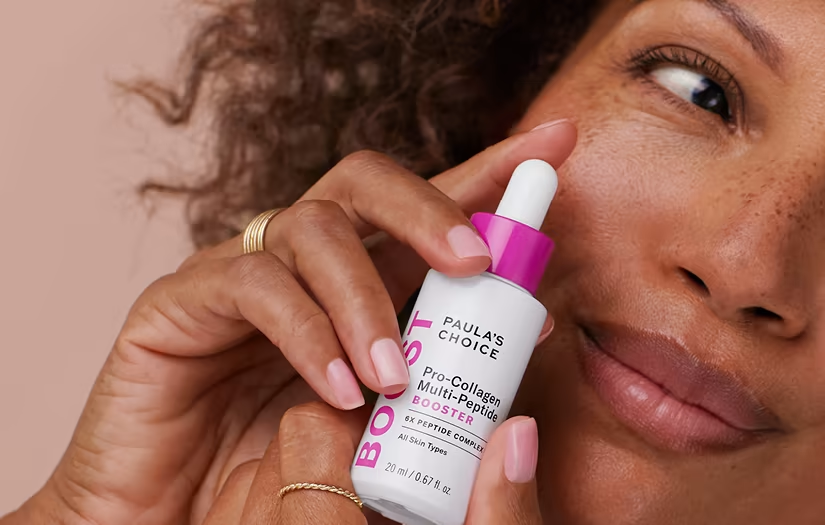
Collagen-related products have also become popular among younger consumers interested in maintaining healthy skin. Social media often promotes peptides as part of beauty and wellness routines, increasing awareness among teenagers.
While some peptide ingredients are commonly used in skincare and nutrition products, expectations should remain realistic. Supplements are not replacements for healthy lifestyle habits.
Online Wellness Trends
Social media platforms can introduce teenagers to new health topics quickly. While this can help people learn about nutrition, it can also spread exaggerated claims.
Understanding the difference between science-backed information and online marketing is an important skill when evaluating any supplement.
Understanding Different Types of Peptides
One of the biggest sources of confusion is that “peptides” is a broad category.
Collagen Peptides
Collagen peptides are among the most commonly available peptide supplements. They are created by breaking collagen proteins into smaller pieces that can be used in dietary products.
Many people use collagen supplements as part of their wellness routine, particularly those interested in supporting skin and joint health.
Dietary Peptide Supplements
Some supplements contain naturally derived peptides from food sources. These products are generally designed to complement a balanced diet.
As with any supplement, ingredient quality, sourcing, and manufacturing standards matter.
Medical and Experimental Peptides
Some peptides are used in medical settings, while others are discussed online without enough research supporting their use. Certain injectable peptides promoted through online channels may have safety concerns due to limited evidence and uncertain sourcing.
This is why teenagers should be especially careful with products making extreme promises about rapid physical changes.
Potential Concerns With Peptide Use Among Teens
Teenagers are still experiencing important stages of growth and development. Because of this, supplement decisions should be approached carefully.
Some key considerations include:
- Limited research: Many peptide products do not have enough long-term research, especially for younger populations.
- Product quality: Supplements purchased from unreliable sources may not meet expected quality standards.
- Unrealistic expectations: Marketing claims may create the impression that supplements can replace healthy habits.
- Individual needs: Every person has different nutritional requirements.
Speaking with a qualified healthcare professional can help teens and parents understand whether a supplement is suitable.
How Teens Can Make Smarter Wellness Choices
Rather than focusing only on supplements, teenagers can build a strong wellness foundation through everyday habits.
Prioritize Balanced Nutrition
A diet containing sufficient protein, fruits, vegetables, whole grains, and healthy fats supports overall health and development.
Maintain Consistent Exercise Habits
Strength training, sports, and regular movement can support fitness goals when practiced safely.
Get Enough Sleep
Sleep plays an important role in energy, recovery, concentration, and overall wellbeing.
Research Before Buying
Before choosing a supplement, teens should check:
- Ingredient lists
- Manufacturer information
- Product quality standards
- Whether claims are supported by evidence
A thoughtful approach helps avoid unnecessary risks and encourages healthier long-term habits.
Final Thoughts
Peptides are becoming increasingly popular among teenagers, but understanding the differences between peptide products is essential. Not every product marketed online is suitable for every person, and responsible supplement choices should always begin with education.
For individuals exploring nutrition and wellness products, BioOptimal Supplements focuses on providing quality supplement options that support informed wellness routines. Learning about ingredients and making careful choices can help people build healthier habits for the future.
