


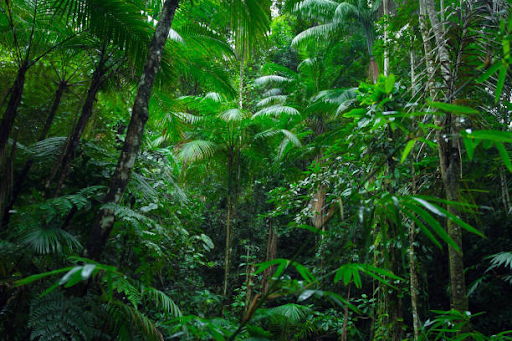
The Amazon rainforest stands as one of the planet’s most magnificent natural wonders, a vast green expanse that spans over 2.1 million square miles across nine South American countries. For adventurous travelers seeking an unparalleled immersion into nature’s grandeur, Amazon rainforest trips offer experiences that transcend ordinary tourism. From the symphony of exotic wildlife to the profound connection with indigenous cultures, journeying into the Amazon is a transformative adventure that awakens the senses and reshapes perspectives on our natural world.
Why Visit the Amazon Rainforest?
The Amazon basin contains approximately ten percent of all species on Earth, making it the most biodiverse ecosystem on the planet. A single hectare of Amazon rainforest can house more tree species than all of North America. This staggering biodiversity means that every trip into the Amazon presents opportunities to encounter creatures found nowhere else on Earth.
Beyond the ecological marvels, the Amazon holds deep cultural significance. Indigenous communities have called this forest home for thousands of years, developing sustainable living practices and accumulating invaluable knowledge about medicinal plants and ecological balance. Many Amazon trips incorporate visits to these communities, offering respectful cultural exchanges that benefit both travelers and local populations.
The Amazon also plays a critical role in global climate regulation, producing roughly twenty percent of the world’s oxygen and storing vast amounts of carbon. Visiting the rainforest creates awareness about conservation needs and often inspires travelers to become advocates for environmental protection.
Best Times to Visit
The Amazon experiences two distinct seasons that dramatically affect the travel experience. The high water season, from December to May, sees river levels rise significantly, creating flooded forests called igapós. During this period, wildlife disperses throughout the canopy, and boat-based exploration becomes the primary mode of transportation. This season offers exceptional birdwatching opportunities and allows travelers to kayak through submerged forests.
The low water season, from June to November, exposes beaches and sandbars along riverbanks. Wildlife concentrates around remaining water sources, making animal spotting more predictable. Hiking becomes more accessible as trails dry out, and fishing for piranhas and other species becomes more productive. Many travelers prefer this season for its enhanced wildlife viewing opportunities.
Each season provides distinct advantages, and the choice depends on personal preferences regarding activities and the type of experience desired.
Popular Amazon Destinations
Ecuador’s Amazon region offers excellent accessibility combined with remarkable biodiversity. Yasuni National Park, one of the most biodiverse places on Earth, provides luxury lodge experiences alongside authentic jungle immersion. Ecuador’s compact size means travelers can easily combine Amazon adventures with visits to the Andes or Galapagos Islands.
Peru’s Amazon, particularly around Iquitos and Puerto Maldonado, features well-established tourism infrastructure while maintaining pristine wilderness. The Tambopata National Reserve and Manu National Park showcase incredible wildlife diversity, including macaws, jaguars, giant otters, and countless bird species. Peru also offers ayahuasca retreat experiences for those interested in traditional plant medicine ceremonies.
Brazil’s Amazon basin, centered around Manaus, provides access to the Meeting of the Waters phenomenon where the dark Rio Negro and sandy-colored Amazon River flow side by side without mixing. The vast scale of Brazil’s Amazon allows for deep jungle expeditions and encounters with pink river dolphins.
Colombia’s Amazon region remains relatively undiscovered by mass tourism, offering authentic experiences in places like Leticia. This tri-border area provides unique opportunities to experience the rainforest across three countries in a single trip.
Types of Amazon Trips
Luxury jungle lodges provide comfortable accommodations with modern amenities while maintaining environmental sensitivity. These establishments offer guided excursions, gourmet meals featuring local ingredients, and expert naturalist guides. They appeal to travelers seeking adventure without sacrificing comfort.
River cruises along the Amazon and its tributaries combine transportation and accommodation, allowing travelers to cover significant distances while enjoying daily excursions. Small expedition vessels provide intimate experiences with expert guides, while larger riverboats offer more extensive facilities.
Camping expeditions and survival experiences cater to hardcore adventurers willing to rough it in exchange for deeper wilderness immersion. These trips often involve sleeping in hammocks with mosquito netting, foraging for food, and learning survival skills from indigenous guides.
Community-based tourism initiatives allow travelers to stay with indigenous families, participating in daily activities like fishing, farming, and traditional crafts. These experiences provide authentic cultural insights while directly benefiting local communities economically.
What to Expect on Your Amazon Adventure
Wildlife encounters form the centerpiece of most Amazon trips. Early morning and late afternoon excursions maximize animal sighting opportunities when creatures are most active. Travelers might spot howler monkeys swinging through canopy branches, sloths moving languidly through trees, caimans lurking along riverbanks, and vibrant poison dart frogs hopping across the forest floor.
Night safaris reveal an entirely different ecosystem. Armed with flashlights, guides help spot nocturnal species including tarantulas, tree frogs, sleeping birds, and prowling night monkeys. The soundscape transforms after dark, with insect choruses, frog calls, and occasional predator roars creating an unforgettable auditory experience.
Canopy walks and observation towers provide bird’s-eye perspectives of the rainforest, revealing layers of life invisible from ground level. These elevated platforms offer spectacular sunrise and sunset views while facilitating encounters with canopy-dwelling species.
Piranha fishing, though touristy, remains a popular activity. Using simple pole and line setups with raw meat as bait, travelers experience the thrill of hooking these infamous fish, which guides often prepare for lunch.
Preparing for Your Amazon Journey
Physical preparation proves essential, as Amazon trips involve hiking in hot, humid conditions, navigating uneven terrain, and adapting to basic facilities in remote locations. Moderate fitness levels suffice for most standard tours, though expedition-style trips demand greater endurance.
Health precautions include vaccinations for yellow fever, typhoid, and hepatitis, along with antimalarial medication depending on the specific region. Travelers should consult travel medicine specialists well before departure to complete necessary immunizations.
Packing strategically makes the difference between comfort and misery. Lightweight, quick-drying clothing in neutral colors, waterproof bags, quality insect repellent, a reliable headlamp, and broken-in hiking boots constitute essential items. Many lodges provide rubber boots for muddy trail conditions.
Mental preparation matters equally. The Amazon challenges comfort zones with its insects, heat, basic facilities, and unpredictable wildlife encounters. Approaching the experience with flexibility, patience, and openness enhances enjoyment and creates space for unexpected magical moments.
Responsible and Sustainable Travel
Choosing operators committed to conservation and community benefit ensures that tourism supports rather than harms the Amazon. Look for certifications from sustainable tourism organizations and research companies’ environmental practices and community partnerships.
Respecting wildlife means maintaining safe distances, never feeding animals, and following guide instructions. Flash photography disturbs nocturnal creatures and should be avoided during night excursions.
Supporting indigenous communities through fair-trade purchases and respectful cultural exchanges contributes to local economies while preserving traditional knowledge systems that protect the forest.
Conclusion
Amazon rainforest trips represent bucket-list adventures that deliver profound connections with nature and indigenous cultures. Whether opting for luxury lodges or rustic camping, river cruises or community homestays, the Amazon transforms visitors through its overwhelming biodiversity, humbling vastness, and delicate ecological balance. These journeys create lifelong memories while fostering appreciation for conservation efforts protecting this irreplaceable ecosystem. As climate change and deforestation threaten the Amazon’s future, visiting responsibly and supporting sustainable tourism becomes not just an adventure choice but an act of global citizenship.
Frequently Asked Questions
Q1: How long should I spend in the Amazon rainforest? A minimum of 4-5 days allows for meaningful exploration and wildlife encounters. Serious wildlife enthusiasts and photographers often spend 7-10 days to increase chances of rare sightings and experience the rhythm of jungle life.
Q2: Is the Amazon rainforest dangerous for tourists? When traveling with reputable guides and following safety protocols, Amazon trips are generally safe. Serious incidents are rare. The main concerns are insect bites, minor injuries on trails, and gastrointestinal issues, all manageable with proper precautions.
Q3: What is the cost of an Amazon rainforest trip? Costs vary widely based on destination, accommodation type, and trip length. Budget camping trips start around $100-150 per day, mid-range lodge experiences cost $200-400 daily, while luxury lodges and private expeditions can exceed $500-1000 per day.
Q4: Can I visit the Amazon rainforest with children? Yes, many families successfully visit the Amazon with children aged 6 and older. Choose family-friendly lodges with appropriate facilities, shorter excursion options, and educational programs designed for younger travelers.
Q5: What vaccinations do I need for Amazon travel? Yellow fever vaccination is typically required and sometimes mandatory for entry. Typhoid, hepatitis A and B, and routine vaccinations should be current. Antimalarial medication is recommended for most Amazon regions. Consult a travel medicine specialist 6-8 weeks before departure.
