


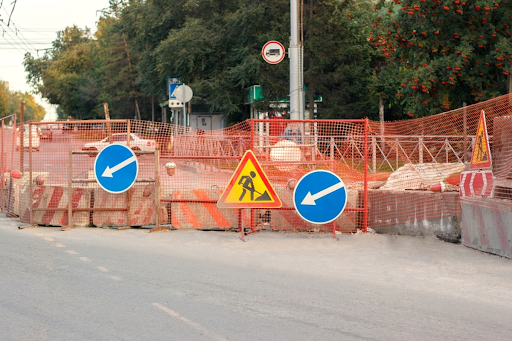
Construction projects are necessary for the growth and maintenance of our cities, roads, and infrastructure. However, they can also create traffic congestion, delays, and safety risks for drivers, pedestrians, and workers. This is where traffic management plans play a crucial role. By organizing and controlling the movement of vehicles and people around construction zones, these plans help maintain smooth traffic flow and ensure safety during the project.
Understanding Traffic Management Plans
Traffic management plans are detailed strategies developed to manage traffic during roadworks, construction projects, or public events. These plans take into account the type of construction, the location, and the expected traffic volume to provide a clear and safe path for vehicles and pedestrians. They are not just about placing signs or cones; they involve a thorough analysis of traffic patterns, risk factors, and safety measures. By planning ahead, traffic management plans minimize disruptions and prevent accidents.
Reducing Traffic Congestion
One of the primary purposes of traffic management plans is to reduce traffic congestion caused by construction activities. By designing alternative routes, adjusting traffic signals, and managing the timing of lane closures, these plans help vehicles move more efficiently. Drivers are informed in advance about changes to traffic flow, allowing them to plan their routes and avoid delays. This careful coordination ensures that even during major roadworks, traffic continues to move smoothly.
Ensuring Safety for Everyone
Construction zones can be dangerous places for workers and road users. Traffic management plans are designed to enhance safety by providing clear signage, barriers, and designated pedestrian paths. These measures prevent accidents by guiding drivers through the construction area safely and keeping workers separated from moving vehicles. Proper implementation of these plans ensures that both construction teams and the public remain protected throughout the project.
Supporting Emergency Access
Traffic management plans also consider the need for emergency vehicle access. Ambulances, fire trucks, and police vehicles must be able to reach their destinations without delays, even during construction. A well-structured traffic management plan identifies priority routes for emergency services and ensures that detours or lane changes do not block critical access. This planning can be life-saving in urgent situations.
Communicating with the Public
Effective communication is another key element of traffic management plans. Informing the public about construction schedules, road closures, and alternative routes helps drivers make informed decisions. Signage, online updates, and public announcements are all part of this communication strategy. When drivers understand what to expect, they are more likely to follow instructions, reducing confusion and improving overall traffic flow around construction sites.
Adapting to Changing Conditions
Construction projects often encounter unexpected challenges, such as weather changes, equipment issues, or delays. Traffic management plans are designed to be flexible, allowing adjustments as conditions change. Regular monitoring and updates ensure that traffic flow remains smooth even when circumstances shift. This adaptability is essential for maintaining efficiency and safety throughout the duration of the project.
Conclusion
Traffic management plans play a vital role in keeping traffic moving efficiently and safely during construction projects. They reduce congestion, protect workers and the public, ensure emergency access, and communicate critical information to drivers. By carefully planning, implementing, and adapting these strategies, construction projects can proceed without causing unnecessary delays or risks on the road. Properly executed traffic management plans are not just a regulatory requirement—they are essential for the smooth operation of urban traffic during construction activities.
