


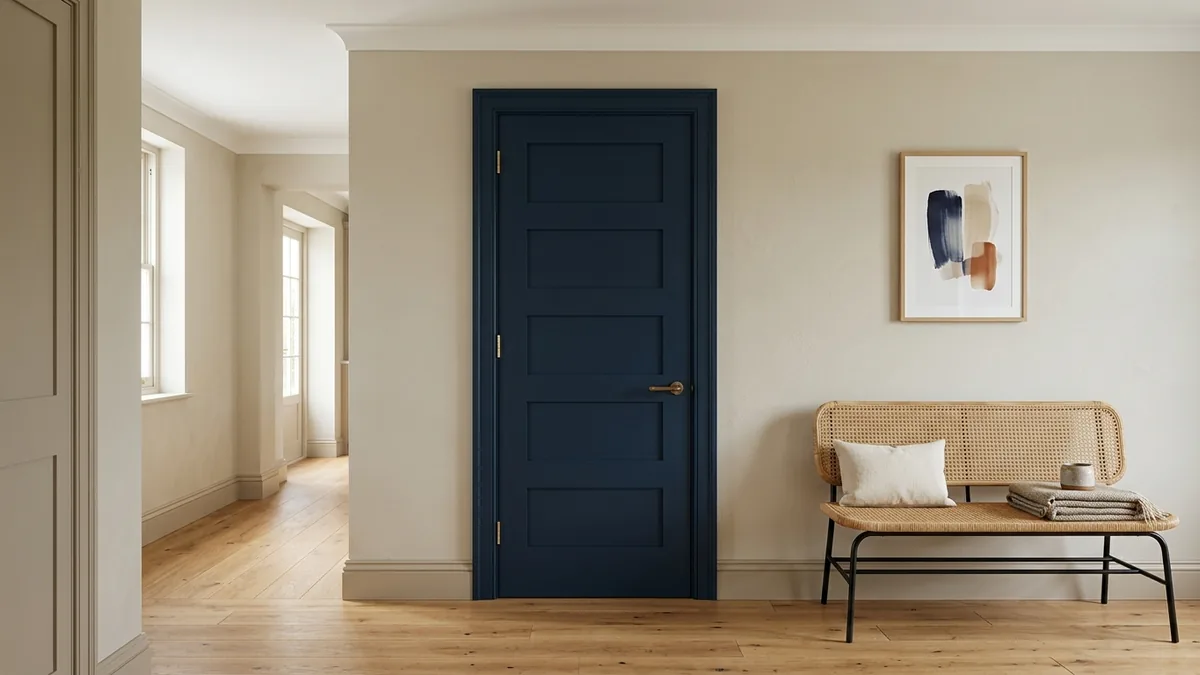
Choosing the right interior doors is an important part of creating a comfortable, functional, and attractive home. While many homeowners focus on flooring, wall colors, and furniture, doors also play a significant role in everyday living. They provide privacy, separate living spaces, reduce unwanted noise, and contribute to the overall appearance of a home. One option that has become increasingly popular is the solid-core door.
For Brooklyn homeowners, solid-core doors can be a worthwhile investment, particularly in apartments, townhouses, and multi-family properties where privacy and sound control matter. However, their higher upfront cost compared with hollow-core doors raises an important question: Are they really worth it? Understanding their construction, benefits, limitations, and long-term value can help homeowners make an informed decision when shopping for Interior doors Brooklyn.
What Are Solid-Core Interior Doors?
Solid-core doors are interior doors constructed with a dense, solid or engineered core rather than a mostly hollow interior. Depending on the manufacturer, the core may consist of particleboard, composite materials, or other dense engineered components. These materials are typically covered with a wood veneer, laminate, or molded surface.
Unlike hollow-core doors, which contain a lightweight honeycomb structure or internal framework, solid-core doors have more substantial construction. This additional density makes them heavier and generally improves their ability to reduce sound transmission.
Solid-core doors are available in numerous designs, including traditional panel styles, contemporary flush designs, wood-look finishes, and modern minimalist options. This variety makes them suitable for different Brooklyn home interiors.
Why Solid-Core Doors Make Sense for Brooklyn Homes
Brooklyn properties come in many architectural styles, from historic brownstones and renovated townhouses to modern condominiums and compact apartments. Although each property has different requirements, privacy, durability, and efficient space use are common considerations.
In apartments, sounds from televisions, conversations, home offices, and household activities can easily travel between rooms. Solid-core doors can help minimize this noise transfer and create more comfortable private spaces.
They are also useful in multi-generational households or homes where several people follow different schedules. A bedroom or home office fitted with a solid-core door can provide a quieter environment without requiring major structural changes.
For homeowners renovating older Brooklyn properties, upgrading lightweight interior doors can also improve the overall feel of the interior. The additional weight and substantial construction of solid-core doors often make them feel more substantial than inexpensive hollow-core alternatives.
Better Sound Reduction for Everyday Privacy
One of the biggest advantages of solid-core doors is their ability to reduce noise. Because they contain denser materials, they generally block sound more effectively than hollow-core doors.
This can be especially beneficial in Brooklyn homes where bedrooms, bathrooms, living rooms, and workspaces are located close together. For example, someone working remotely may need a quieter office while other family members watch television or prepare meals.
Solid-core doors can help reduce conversations, television noise, and everyday household sounds traveling between rooms. They are particularly useful for bedrooms, nurseries, home offices, and media rooms.
However, it is important to understand that a solid-core door alone does not create complete soundproofing. Noise can still travel through gaps beneath the door, around the frame, and through adjoining walls. Proper installation, weatherstripping, door sweeps, and suitable framing can improve overall sound control.
Increased Durability and a More Substantial Feel
Another reason homeowners consider solid-core doors is their durability. Their dense construction generally makes them feel stronger and more substantial during everyday use.
Hollow-core doors can be more vulnerable to dents, punctures, and surface damage, particularly in busy households. Solid-core doors typically provide better resistance to this type of everyday wear, although their actual durability depends on the surface material and manufacturing quality.
This makes them a practical choice for frequently used spaces such as bedrooms, hallways, bathrooms, and home offices.
Their heavier construction also contributes to a more solid closing feel. Rather than feeling lightweight or flimsy, a properly installed solid-core door can give a room a more finished and higher-quality appearance.
Are Solid-Core Doors More Expensive?
Price is one of the main factors homeowners should consider before choosing solid-core doors. They generally cost more than hollow-core alternatives because of their heavier construction and material requirements.
The overall project cost may also include door frames, hinges, handles, locks, delivery, and professional installation. Since solid-core doors weigh more, they may require stronger hinges and additional care during installation.
Although the initial investment can be higher, homeowners should consider the long-term benefits rather than focusing entirely on the purchase price. Better sound reduction, improved durability, and a more substantial appearance can make solid-core doors a worthwhile upgrade for frequently used rooms.
For homeowners working within a renovation budget, installing solid-core doors in selected areas can be a practical compromise. Bedrooms, home offices, and rooms requiring additional privacy can receive priority, while hollow-core doors may remain suitable for closets and less frequently used spaces.
Energy Efficiency and Temperature Comfort
Solid-core doors can contribute to a home’s overall comfort by providing a more substantial barrier between interior spaces. Their dense construction may help limit some air movement when the door is properly fitted, although they should not be considered a replacement for insulated exterior doors or dedicated weatherproofing.
In Brooklyn properties, where winter temperatures and summer humidity can affect indoor comfort, homeowners should pay attention to gaps around interior doors and the condition of their door frames.
Proper installation and suitable sealing can help reduce unwanted drafts between rooms. However, the energy-saving benefits of solid-core interior doors are generally secondary to their privacy, sound-control, and durability advantages.
Design Options to Match Brooklyn Interior Styles
Solid-core doors are available in a wide range of styles, making them suitable for both classic and contemporary properties.
In traditional Brooklyn brownstones, homeowners may prefer raised-panel doors, wood finishes, or designs that complement existing architectural details. These styles can preserve the character of an older property while providing modern functionality.
Modern apartments may benefit from smooth flush doors, minimalist hardware, and neutral finishes. White, gray, natural wood, and darker tones can create a clean appearance that works well with contemporary flooring and furniture.
For homeowners interested in maximizing natural light, solid-core doors with carefully designed glazed sections can provide a balance between privacy and brightness. Frosted or textured glass can be particularly useful for home offices, dining spaces, and other areas where complete visual separation is unnecessary.
When selecting Interior doors Brooklyn, it is important to consider how the door design complements the home’s existing trim, flooring, wall colors, and overall architectural style.
Installation Considerations for Solid-Core Doors
Because solid-core doors are heavier than hollow-core options, professional installation can be particularly beneficial. Incorrect installation may cause alignment problems, uneven gaps, sticking, or unnecessary stress on the hinges.
Before purchasing, homeowners should carefully measure the existing door opening. Important measurements include the door’s height, width, thickness, and the dimensions of the frame.
The condition of the existing frame should also be evaluated. Older Brooklyn properties may have uneven openings, aging hinges, or frames that require adjustment before a replacement door can be installed.
Appropriate hinges and hardware are essential for supporting the additional weight. Installers should also check that the door swings freely, closes properly, and maintains consistent spacing around the frame.
For renovation projects involving several doors, measuring every opening individually is recommended rather than assuming that all existing doors have identical dimensions.
Potential Disadvantages Homeowners Should Know
Although solid-core doors offer several advantages, they are not the perfect solution for every home.
Their heavier weight can make handling and installation more challenging. Some existing frames and hinges may require upgrades to support them properly.
They also tend to cost more than hollow-core doors, which can become a significant expense when replacing every interior door in a large property.
Another consideration is that solid-core doors do not automatically eliminate noise. Poorly fitted frames, large gaps, and lightweight adjoining walls can limit their sound-reduction performance.
Finally, some homeowners may prefer lightweight doors for closets, storage areas, or spaces where sound privacy is not particularly important. In these situations, investing in solid-core construction may not provide enough additional value to justify the higher cost.
Solid-Core vs. Hollow-Core Doors: Which Is Better?
Understanding the differences between these two options makes it easier to determine which door type is appropriate for each room.
Solid-core doors are generally better for homeowners who prioritize privacy, noise reduction, durability, and a more substantial appearance. They are particularly suitable for bedrooms, bathrooms, home offices, and frequently used interior spaces.
Hollow-core doors, on the other hand, are lighter and usually more affordable. They can be suitable for closets, storage rooms, and areas where sound control is less important.
Neither option is automatically right for every property. The best decision depends on the room’s purpose, renovation budget, desired appearance, and long-term expectations.
How to Choose the Right Solid-Core Door for Your Home
Before making a purchase, homeowners should evaluate several important factors.
Consider the room’s purpose: Bedrooms, offices, and private living areas often benefit most from solid-core construction. Closets and utility spaces may not require the same level of performance.
Check the door dimensions: Accurate measurements help prevent installation problems and unnecessary modifications.
Choose a suitable finish: Select a finish that complements existing flooring, wall colors, trim, and furniture. Consider how much maintenance the surface requires.
Evaluate hardware quality: Strong hinges, suitable handles, and reliable latching mechanisms are important because solid-core doors are heavier.
Ask about sound-control performance: Not all solid-core doors provide identical acoustic results. Ask manufacturers about available sound transmission information and whether additional sealing is recommended.
Compare the complete project cost: Consider the door, hardware, frame modifications, delivery, and installation rather than comparing the door price alone.
Taking these steps can help Brooklyn homeowners select doors that provide lasting functionality without exceeding their renovation budget.
Are Solid-Core Doors Worth the Investment?
For many Brooklyn homeowners, solid-core doors are worth considering because they provide a combination of privacy, noise reduction, durability, and attractive design. Their benefits are particularly noticeable in bedrooms, home offices, and shared living spaces where household noise can become disruptive.
Although they require a higher initial investment, their substantial construction and everyday performance can make them a sensible long-term choice. Homeowners do not necessarily need to install them throughout the entire property. Prioritizing rooms where privacy and sound control matter most can deliver meaningful improvements while keeping renovation expenses manageable.
The most important factors are selecting a quality product, ensuring accurate measurements, choosing appropriate hardware, and arranging proper installation.
Final Thoughts: Making the Right Interior Door Upgrade
Solid-core doors can be an excellent addition to Brooklyn homes, especially for people who value quieter rooms, improved privacy, and durable interior finishes. They offer practical advantages over many lightweight alternatives while providing enough design flexibility to complement traditional and modern properties.
Whether renovating a brownstone, updating a condominium, or improving a family apartment, choosing the right interior doors can make a noticeable difference in everyday comfort.
By comparing materials, evaluating room requirements, and considering installation costs, homeowners can make confident decisions about their next door upgrade. Investing in quality Interior doors Brooklyn can help create a more comfortable, functional, and visually appealing living environment for years to come.
