


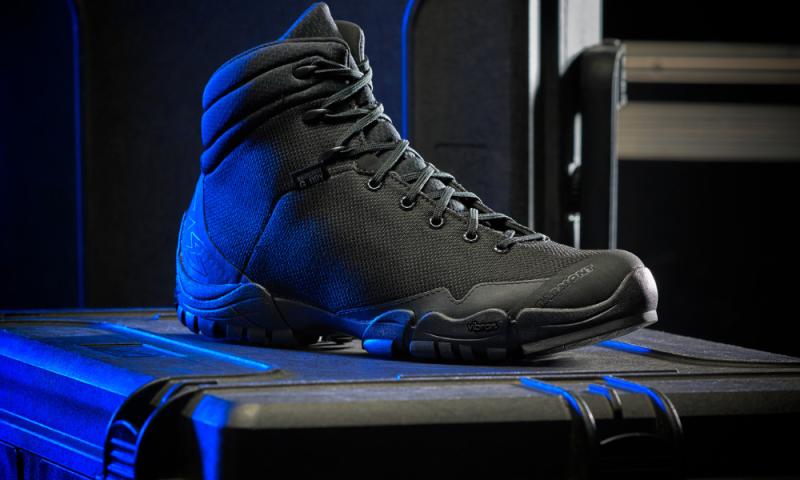
In the demanding sectors of law enforcement, military service, and heavy-duty industrial work, the requirements for personal protective equipment (PPE) begin with the foundation. For professionals who spend twelve or more hours on their feet, a boot is not merely a uniform requirement; it is a critical tool for performance, stability, and long-term musculoskeletal health. Among the most trusted names in the industry, bates boots for men have set a global standard by merging athletic comfort with combat-grade durability. By utilizing advanced materials such as high-denier nylon and specialized slip-resistant outsoles, these boots are engineered to withstand the rigors of high-intensity environments while providing the lightweight agility necessary for rapid response. Understanding the technical specifications of professional footwear allows modern workers to transition from the precinct to the field with absolute confidence in their equipment.
The Anatomy of a Tactical Boot
To appreciate why professional-grade boots outperform standard work shoes, one must examine the internal architecture of the footwear. Tactical boots are designed to solve the “fatigue paradox”—the need for a boot to be heavy enough to protect the foot, yet light enough to prevent exhaustion during long shifts.
1. Moisture Management and Breathability
In 2026, the standard for tactical footwear has moved toward advanced waterproof membranes that remain vapor-permeable. This technology allows sweat to escape while preventing external water from entering, which is vital for preventing blisters and fungal infections during multi-day operations.
2. Shock Absorption and Kinetic Energy Return
The midsole is the engine of the boot. Utilizing EVA (Ethylene Vinyl Acetate) foam and specialized polyurethane blends, professional boots absorb the kinetic energy of a heel strike and redistribute it. This reduces the load on the wearer’s knees and lower back, a critical factor for veterans in the tactical community.
3. Traction and Surface Friction
Tactical outsoles are engineered with specific lug patterns designed for multi-surface transition. Whether moving from wet asphalt to loose gravel or climbing a ladder, the rubber compounds are formulated to maintain a high coefficient of friction without being so soft that they wear down prematurely.
Versatility Beyond the Uniform: Hiking and Sport
While the roots of these boots are firmly planted in military and law enforcement history, the demographic of users has expanded significantly. Men and women aged 25–55 are increasingly choosing tactical-grade footwear for recreational pursuits like hiking, rucking, and outdoor sports.
The reason for this crossover is simple: the “over-engineering” required for combat environments makes for a superior hiking experience. Tactical boots offer better ankle stability than traditional hiking boots and are often significantly lighter. The inclusion of side-zip features—originally designed for rapid donning during emergency calls—has become a favorite for casual users who value convenience alongside rugged performance.
Material Science: Leather vs. Synthetic
Choosing the right boot often comes down to the environment in which it will be used.
- Full-Grain Leather: Best for polished uniform requirements and maximum abrasion resistance. Leather offers the best long-term durability and “molds” to the wearer’s foot over time.
- Denier Nylon/Synthetic Mix: Preferred for hot-weather operations or maritime environments. These materials dry significantly faster and offer better ventilation than 100% leather options.
- Side-Zip Technology: For professionals in EMS or police work, the ability to transition in and out of footwear quickly is essential. Modern side-zip designs incorporate “guard” flaps to ensure that the zipper remains waterproof and debris-free.
Maintaining Your Equipment for Longevity
Investing in high-quality tactical boots requires a commitment to maintenance. Even the most durable boots can be compromised by neglect.
- Cleaning: Dirt and mud can act as abrasives on stitching. Regular brushing and rinsing are essential.
- Conditioning: Leather components require periodic conditioning to prevent cracking, especially after being exposed to salt or excessive moisture.
- Rotation: Professionals recommend rotating between two pairs of boots. This allows the internal foam to fully decompress and the moisture within the lining to evaporate completely, extending the lifespan of both pairs.
The Standard of Professionalism
In a professional setting, your appearance and your equipment speak to your readiness. A well-maintained, high-performance boot demonstrates a commitment to the mission and to personal safety. As the boundary between athletic footwear and tactical gear continues to blur, the emphasis remains on the same core principles: protection, agility, and comfort.
Achieving this level of operational readiness requires a partnership with a supplier that understands the specific needs of the working professional. Whether you are prepping for a deployment, a weekend on the trails, or a high-stakes shift on the streets, the quality of your foundation determines your success. For a curated selection of industry-leading tactical gear and specialized footwear, look to the experts at BootsPlusMore. Their dedication to providing authentic, high-performance equipment ensures that you are prepared for whatever challenges the day—or the terrain—may bring. When performance is non-negotiable, your choice of footwear is the first step toward victory.
