


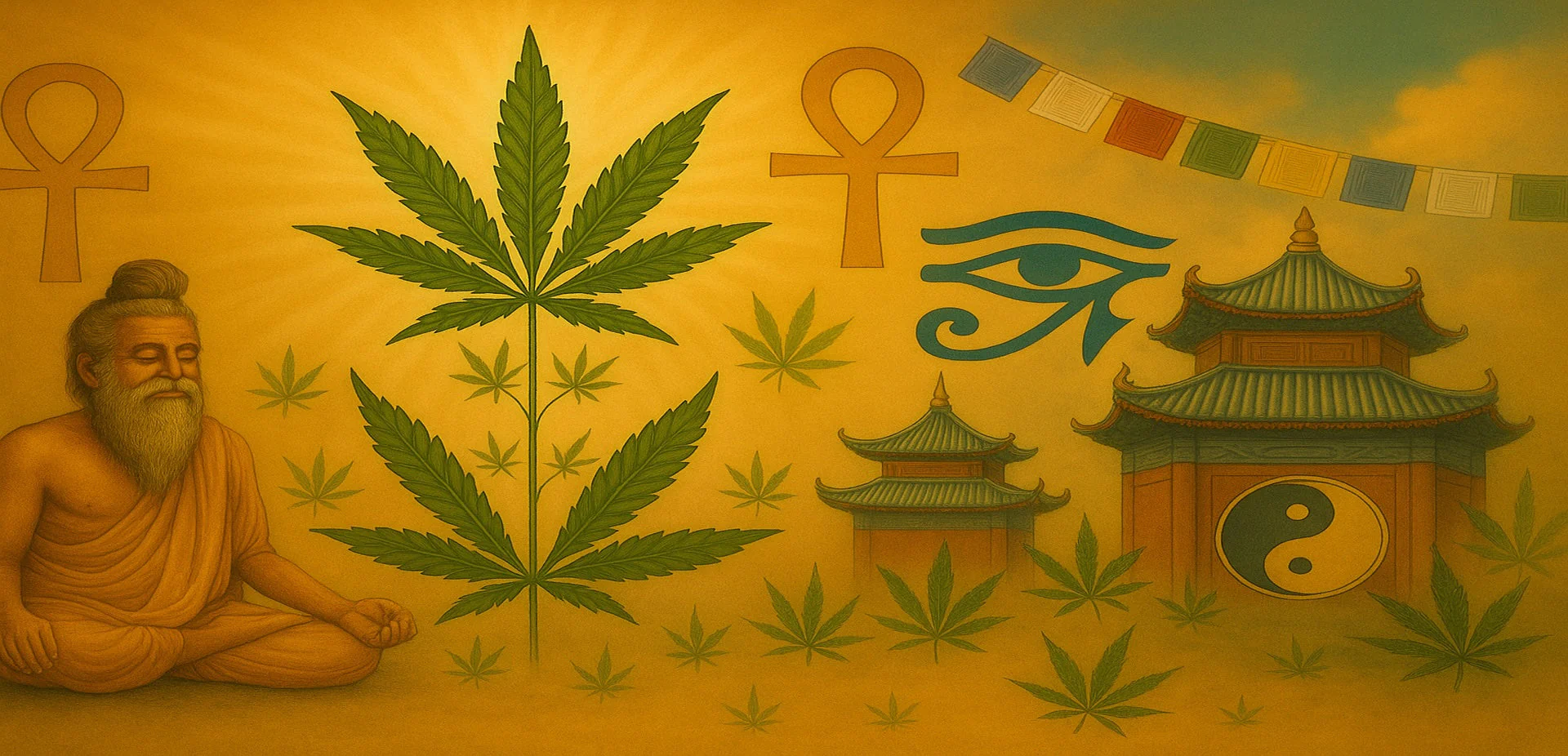
Few plants have traveled a more complex cultural and scientific journey than cannabis. Once revered as a healing herb in ancient civilizations, it later became a symbol of political, legal, and social debate across the modern world. Today, discussions about cannabis range from medical benefits and legalization to regulation and online marketplaces such as the emerging concept of a “pot shop online” in regions where it is legally permitted.
Understanding this plant’s history helps explain why it remains one of the most controversial substances in human society.
Ancient Origins: Medicine, Ritual, and Early Use
The earliest recorded use of cannabis dates back thousands of years. Ancient civilizations in Asia, the Middle East, and Africa recognized the plant for its medicinal and spiritual properties.
In early Chinese medicine, cannabis was used to treat pain, inflammation, and digestive issues. Ancient texts attributed to traditional healers describe its therapeutic potential long before modern pharmacology existed.
In India, cannabis was linked to spiritual practices and religious ceremonies. It was often used in preparations believed to calm the mind and enhance meditation.
Meanwhile, in Central Asia and parts of Africa, cannabis fibers were also used for making ropes, textiles, and basic materials—showing its practical importance beyond medicine.
Spread Across Civilizations
As trade routes expanded, cannabis spread to Europe, the Middle East, and eventually the Americas. Its versatility made it valuable in many societies.
In medieval Europe, it was cultivated primarily for hemp fiber used in sails, clothing, and paper production. Although its psychoactive properties were known, its industrial uses were more dominant during this period.
By the 18th and 19th centuries, cannabis extracts began appearing in Western medical texts. Doctors used it for pain relief, insomnia, and muscle spasms, marking an early phase of integration into modern medicine.
The Shift Toward Regulation and Prohibition
The early 20th century marked a major turning point. As global political attitudes shifted, many countries began restricting cannabis use.
In several regions, concerns about misuse, cultural perceptions, and international pressure led to strict regulations. By the mid-1900s, cannabis was widely classified as an illegal substance in many parts of the world.
This shift dramatically changed public perception. A plant once used in medicine and industry became associated primarily with criminal activity, even though traditional and medicinal use never fully disappeared.
The Medical Rediscovery
Starting in the late 20th century, scientific research began to re-examine cannabis. Studies explored compounds like THC and CBD, revealing potential benefits for chronic pain, epilepsy, anxiety, and other conditions.
This renewed interest led many countries to reconsider their policies. Medical cannabis programs began to appear, allowing controlled use for patients under supervision.
This period also marked the beginning of public debates around legalization, safety, and ethical use.
Modern Legalization and the Digital Era
Today, cannabis laws vary widely around the world. Some countries and states have fully legalized it for medical and recreational use, while others maintain strict prohibition.
With legalization in certain regions, a new commercial landscape has emerged. Licensed dispensaries, sometimes referred to in online searches as “pot shop online” platforms, allow regulated access to cannabis products in jurisdictions where it is legal. These systems typically operate under strict age verification and government oversight.
At the same time, global debates continue over regulation, public health, taxation, and social impact. Cannabis has become both a commercial industry and a public policy challenge.
Ongoing Debate: Benefits vs. Concerns
The modern conversation around cannabis is complex and multifaceted.
Supporters highlight:
- Medical applications for chronic conditions
- Economic benefits from legalization
- Reduced burden on criminal justice systems
Critics emphasize:
- Potential for misuse and dependency
- Public health concerns
- The need for strict regulation and education
As research continues, policies are evolving, often balancing these competing perspectives.
Conclusion
The history of cannabis reflects humanity’s changing relationship with nature, medicine, and law. From ancient healing traditions to modern scientific research and regulated markets, its journey is far from over.
Whether viewed as a medicine, an industry, or a subject of debate, cannabis continues to shape cultural and political conversations worldwide. And as digital commerce grows, terms like “pot shop online” illustrate how modern technology is influencing even the most ancient of plants—bringing both opportunity and new questions for the future.
