


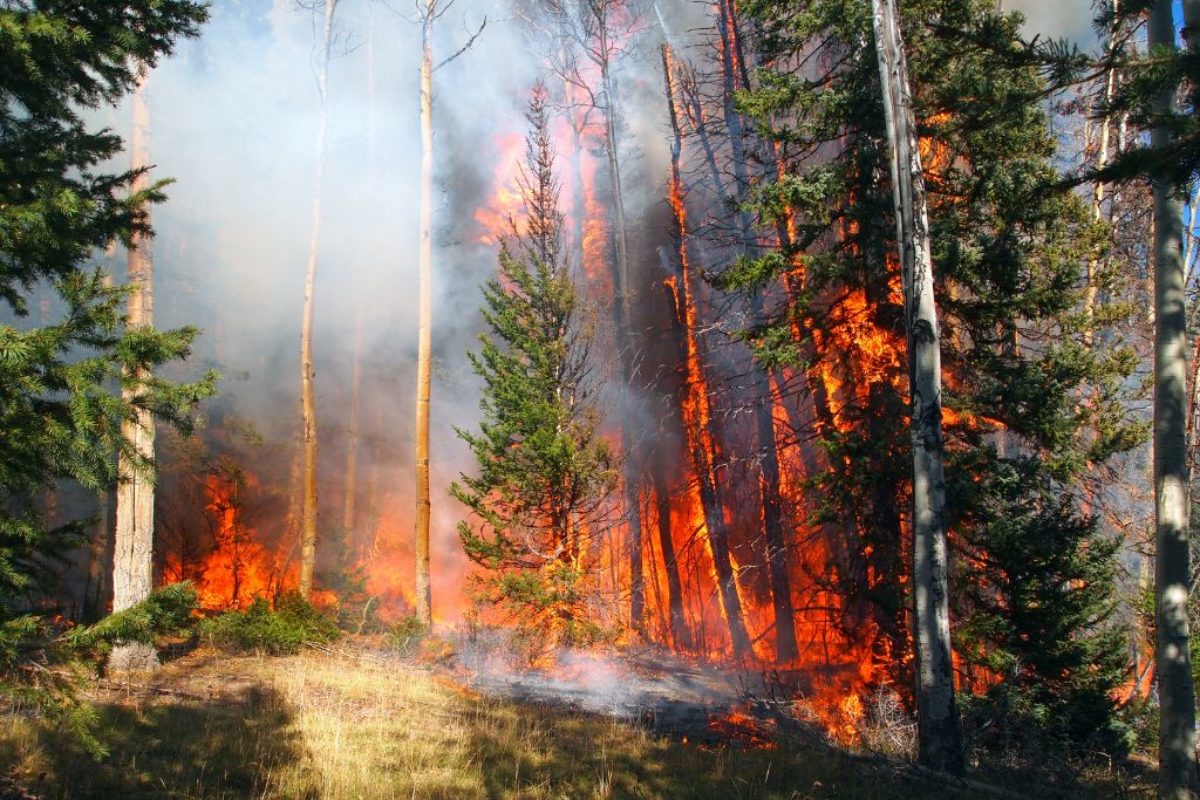
Forests are among the most complex and valuable ecosystems on Earth, providing clean air, biodiversity, climate regulation, and economic resources. However, maintaining their health and reducing the risk of catastrophic wildfires requires continuous planning, monitoring, and intervention. Modern forest management combines science, field expertise, and technology to keep ecosystems balanced and resilient.
Understanding Forest Health Management
Forest health refers to the overall condition of trees, soil, wildlife, and ecological processes within a woodland area. A healthy forest is not one that is untouched, but one that is balanced and capable of regenerating naturally. Managers regularly assess tree density, species diversity, pest activity, disease spread, and soil conditions. When problems are detected early—such as insect infestations or fungal infections—targeted interventions are applied to prevent large-scale damage.
Monitoring and Early Detection Systems
Early detection plays a critical role in preventing both ecological decline and fire outbreaks. Satellite imagery, drones, and ground surveys are commonly used to track changes in vegetation and moisture levels. Sensors can detect rising temperatures or dry conditions that increase fire risk. These tools allow forest managers to respond before small issues escalate into widespread threats.
Reducing Fuel Loads to Prevent Wildfires
One of the most effective fire prevention strategies is controlling the amount of combustible material—known as fuel load—on the forest floor. Dead branches, dry leaves, and fallen trees can act as fuel for fast-spreading fires. Controlled burning, also known as prescribed fire, is carefully used to reduce this buildup under safe conditions. Mechanical clearing and thinning of dense vegetation also help slow down potential fire spread and create natural firebreaks.
Role of Professional Forest Management
In many regions, specialized organizations and experts are responsible for maintaining forest ecosystems and reducing wildfire risks. Forestry services play a key role in coordinating conservation efforts, conducting controlled burns, managing pest outbreaks, and restoring damaged areas. They also work with local communities to promote fire safety awareness and sustainable land use practices. Their work ensures that forests remain both productive and safe for future generations.
Pest and Disease Control Strategies
Insects such as bark beetles and diseases like root rot can severely weaken forests, making them more vulnerable to fire. Management teams use integrated pest control methods, including biological controls, selective tree removal, and habitat management. Strengthening overall forest diversity also reduces the likelihood of widespread infestations.
Community Involvement and Fire Awareness
Human activity is a major cause of wildfires, so public education is essential. Communities near forested areas are often trained in fire-safe practices, such as proper campfire handling and waste disposal. Early warning systems and evacuation plans are also established to minimize risk to human life and property. Collaboration between authorities and residents significantly improves fire prevention outcomes.
Sustainable Forest Restoration
After disturbances such as fires, storms, or disease outbreaks, restoration efforts are crucial. Replanting native species, improving soil quality, and allowing natural regeneration help forests recover. Long-term sustainability depends on maintaining ecological balance rather than simply replacing lost trees.
Conclusion
Effective forest management is a continuous process that combines prevention, monitoring, and restoration. By maintaining ecological balance, reducing fire risks, and engaging communities, forests can remain resilient in the face of environmental challenges. Careful planning and proactive intervention ensure that these vital ecosystems continue to thrive for generations to come.
