

A dependable furnace can make a major difference in indoor comfort during colder periods. Although Orange County generally experiences a mild climate compared with many other parts of the United States, homeowners still rely on heating systems when temperatures drop. Regular maintenance can help a furnace operate efficiently, while timely repairs can prevent minor problems from becoming more expensive failures.
According to the U.S. Department of Energy, regular HVAC maintenance is important for maintaining performance, efficiency, and equipment life.
Why Furnace Maintenance Matters
Furnaces contain several mechanical, electrical, and, in gas-powered systems, combustion-related components. Dust accumulation, restricted airflow, worn parts, electrical problems, or ventilation issues can affect performance.
Routine maintenance allows potential problems to be identified before they develop into major breakdowns. It can also help maintain consistent airflow and reduce unnecessary strain on the system.
For Orange County homeowners, seasonal maintenance can be particularly useful because a furnace may sit unused for extended periods before being needed again.
Replace or Clean the Furnace Filter Regularly
One of the simplest furnace maintenance tasks is checking the air filter. A clogged filter restricts airflow, which can cause the furnace to run longer and place additional strain on components.
The Department of Energy notes that dirty filters can significantly reduce airflow and increase furnace operating time, motor wear, and energy consumption.
The appropriate replacement schedule depends on the filter type, equipment, household conditions, and manufacturer’s recommendations. Homes with pets, dust, or other airborne particles may require more frequent attention.
Keep Airflow Unrestricted
Even a properly functioning furnace can struggle when airflow is restricted. Blocked registers, dirty filters, obstructed return grilles, disconnected ducts, and other ductwork problems can reduce the amount of heated air reaching rooms.
Weak airflow from several registers may indicate a broader duct or blower problem rather than simply a thermostat issue. The Department of Energy identifies filter condition, blower cleanliness, duct obstructions, and disconnected duct joints as potential factors in low airflow.
Homeowners should keep supply and return vents clear of furniture, boxes, curtains, and other obstructions.
Pay Attention to Warning Signs
A furnace rarely fails without showing some indication that something is wrong. Homeowners should pay attention to changes such as:
- Unusual banging, rattling, squealing, or grinding sounds
- Frequent cycling on and off
- Weak airflow
- Uneven temperatures between rooms
- A thermostat that does not appear to control the temperature correctly
- Unusual odors
- Repeated ignition problems
- Increasing heating costs without an obvious explanation
- A furnace that stops producing warm air
A single symptom does not necessarily identify the exact cause. Professional diagnosis is often necessary because several different problems can produce similar symptoms.
When Professional Furnace Repair Is Necessary
Some maintenance tasks, such as checking an accessible filter, may be appropriate for homeowners. More complicated repairs should generally be handled by a qualified HVAC professional.
For example, problems involving electrical components, burners, ignition systems, gas connections, heat exchangers, combustion controls, or ventilation require appropriate knowledge and safety procedures.
If professional service is needed, searching for experienced furnace repair Orange County providers can help homeowners arrange an inspection and determine whether repair or replacement is appropriate.
Furnace Safety Should Be a Priority
Gas furnaces require particular attention to combustion and exhaust ventilation. Improperly installed or maintained combustion equipment can create safety concerns, including the possibility of combustion gases entering occupied areas.
The Department of Energy explains that combustion furnaces must be properly installed and vented to prevent backdrafting and the accumulation of pollutants.
Professional inspections can include examining relevant venting, combustion, and furnace components. Homeowners should also follow manufacturer instructions and maintain appropriate carbon monoxide detection in the home.
If a furnace produces a strong unusual gas smell or there is concern about carbon monoxide, occupants should leave the area and contact the appropriate emergency or utility service rather than attempting to diagnose or repair the system themselves.
Thermostat Problems Can Affect Furnace Performance
Not every heating problem originates inside the furnace. A malfunctioning thermostat, incorrect settings, weak batteries in applicable models, or poor thermostat placement can result in uncomfortable temperatures.
Before requesting a repair, homeowners can check the thermostat settings and make sure the heating mode is selected. If the furnace still does not respond properly, a technician can determine whether the issue is related to the thermostat, wiring, control board, or furnace itself.
Professional Maintenance: What to Expect
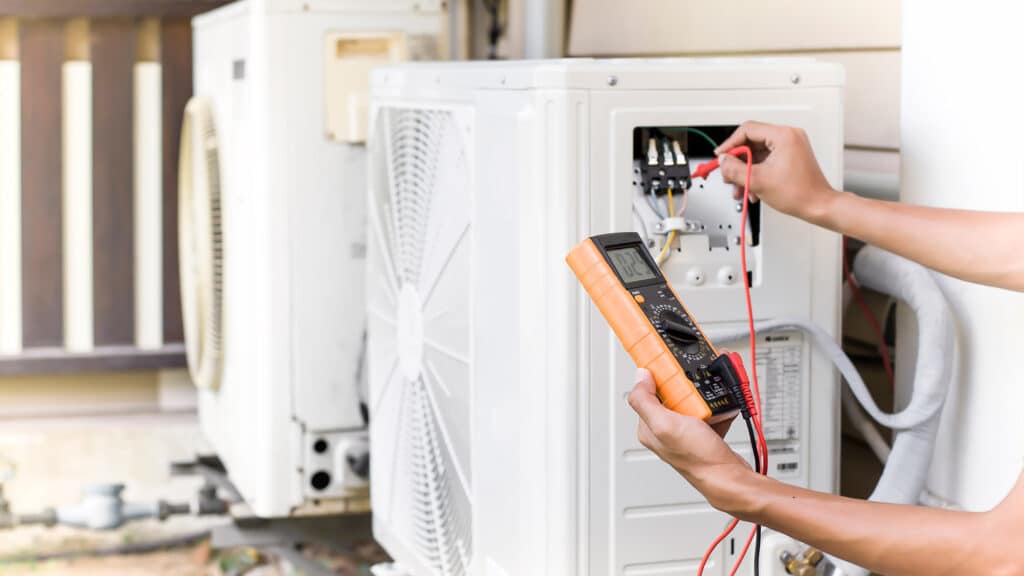
A professional furnace maintenance visit may involve examining several parts of the heating system. Depending on the equipment, the technician may inspect filters, airflow, electrical connections, blower components, ignition components, burners, safety controls, heat-exchange components, and venting.
The exact maintenance procedure varies according to furnace design and manufacturer recommendations. A professional should also identify safety concerns and explain any repairs that may be required.
Regular inspection can make it easier to identify developing problems before they result in an unexpected breakdown.
Repair or Replace the Furnace?
When a furnace develops a problem, homeowners do not always need an entirely new system. A repair may make sense when the equipment is otherwise in good condition and the problem involves a relatively limited component.
Replacement may deserve consideration when the furnace is older, experiences repeated breakdowns, has significant component problems, or no longer provides reliable comfort.
The decision should consider the furnace’s age and condition, repair requirements, efficiency, expected future maintenance, installation requirements, and the cost of a new system.
The Department of Energy also emphasizes that proper installation is important because issues such as improper sizing and poorly designed or leaky distribution systems can reduce efficiency and comfort.
Seasonal Maintenance for Orange County Homes
Because heating demand in Orange County can vary considerably, homeowners may benefit from having the furnace checked before the period when heating is needed most.
A practical seasonal routine can include:
- Inspecting or replacing the furnace filter.
- Checking that supply and return vents are unobstructed.
- Testing the thermostat.
- Paying attention to unusual sounds or odors.
- Checking for inconsistent room temperatures.
- Scheduling professional maintenance when appropriate.
- Addressing warning signs before they become emergency failures.
These simple habits can help homeowners stay ahead of avoidable heating problems.
How Maintenance Supports Long-Term Comfort
A furnace is part of a larger home comfort system. Its performance depends not only on the furnace itself but also on airflow, ductwork, thermostat operation, insulation, and other factors.
Regular maintenance cannot eliminate every possible breakdown, but it can help identify issues earlier and maintain important system components. Clean filters and unobstructed airflow, for example, support proper system operation.
Final Thoughts
Keeping a furnace maintained is an important part of maintaining a comfortable home. Regular filter care, unobstructed airflow, seasonal inspections, and attention to unusual symptoms can help homeowners recognize problems before they become major disruptions.
When a furnace develops a problem that cannot be safely resolved through basic homeowner checks, professional diagnosis is the appropriate next step. With consistent maintenance and timely repairs, Orange County homeowners can keep their heating systems operating more reliably when comfortable indoor temperatures are needed.
