


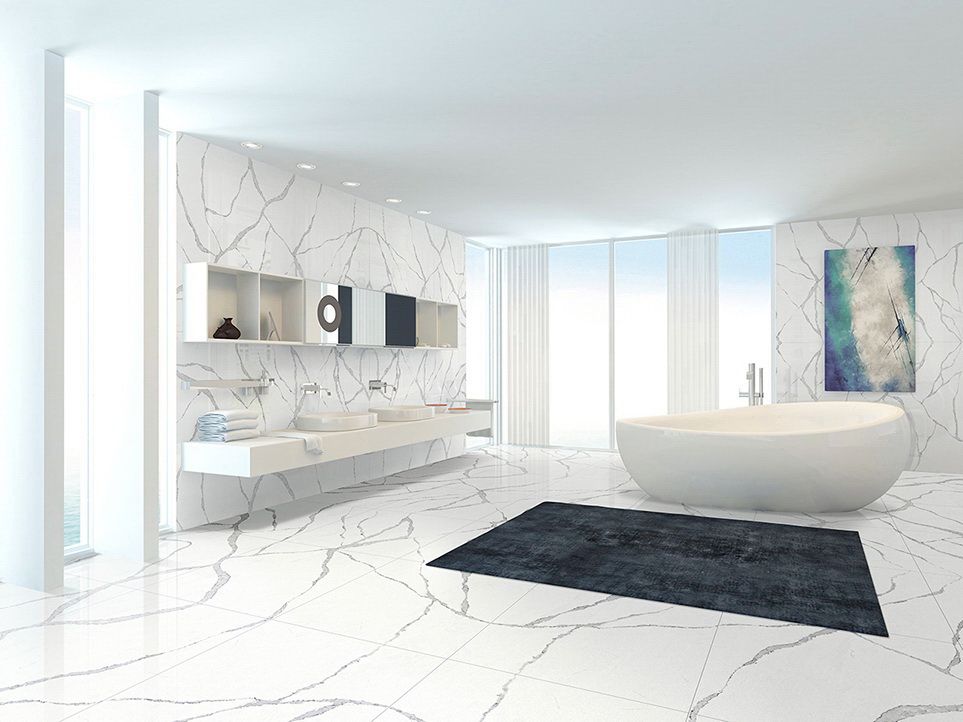
Modern quartz surface designs+ have become an important consideration in residential and commercial interior projects. Homeowners, architects, and designers increasingly look for countertop materials that combine visual appeal, practical performance, and flexibility across different spaces. From marble-inspired veining to understated neutral colors, engineered quartz offers a variety of design possibilities for kitchens, bathrooms, and other interior applications. Hyundai L&C provides engineered surface solutions for projects seeking a balance between style and functionality.
Choosing a surface, however, involves more than selecting a color that matches the room. Pattern, finish, lighting, cabinetry, maintenance requirements, and intended use all influence the final result. Understanding these factors helps property owners make informed decisions and create interiors that remain visually appealing as design preferences and everyday needs evolve.
Understanding Modern Quartz Surface Designs
Modern quartz surface designs encompass a broad selection of colors, patterns, and finishes. Engineered quartz surfaces typically combine quartz minerals with resins, pigments, and other components to create a consistent appearance and a range of decorative effects. Manufacturing techniques allow designers to explore styles inspired by natural stone while maintaining greater control over pattern and color consistency.
Unlike natural stone, which develops through geological processes, engineered quartz is manufactured to achieve particular visual characteristics. This makes it possible to select surfaces featuring delicate veining, uniform colors, or more pronounced patterns.
Common design categories include:
- Marble-inspired designs: These surfaces feature flowing veins and contrasting tones that create an elegant, stone-inspired appearance.
- Neutral quartz colors: White, cream, beige, and gray provide versatile foundations for contemporary and traditional interiors.
- Bold statement patterns: Dark backgrounds, dramatic veins, and contrasting colors introduce visual interest.
- Minimalist surfaces: Subtle patterns and consistent colors support clean, uncluttered interior designs.
- Textured finishes: Selected finishes add visual depth and influence how light interacts with the surface.
Understanding these categories makes it easier to narrow the available options according to a project’s aesthetic goals.
Popular Trends in Modern Quartz Surface Designs
Interior design trends continue to reflect an interest in materials that balance distinctive appearances with practical considerations. Modern quartz surface designs accommodate a wide range of preferences, allowing homeowners to create personalized spaces without sacrificing visual consistency.
Marble-Inspired Veining
Marble-inspired quartz remains a popular option for interiors that require an elegant focal point. Fine gray veins across a white background can create a restrained appearance, while more pronounced patterns provide contrast and draw attention to kitchen islands or bathroom vanities.
These designs work particularly well when surrounding materials remain relatively simple. Pairing a veined countertop with plain cabinetry, understated handles, and complementary flooring allows the surface to become a defining feature without making the room feel visually crowded.
When choosing a patterned design, examine the sample from different angles and under lighting similar to the intended installation environment. Vein direction, contrast, and pattern scale can influence how the finished countertop looks across a large area.
Warm Neutrals and Natural-Inspired Colors
Neutral surfaces continue to offer flexibility for different interior styles. Shades such as warm white, sand, taupe, and soft gray can complement wood cabinetry, natural textures, and muted decorative accents.
Warm neutrals are particularly useful in spaces designed to feel welcoming rather than stark. Pairing a beige quartz countertop with wood finishes, for example, can create a balanced appearance that works across contemporary, transitional, and traditional interiors.
These colors also provide flexibility when other design elements change. Cabinet hardware, wall colors, lighting fixtures, and decorative accessories can be updated without necessarily requiring a replacement countertop.
Dark and Dramatic Surfaces
Dark quartz surfaces provide another approach for creating contrast. Charcoal, deep gray, and black designs can establish a strong visual anchor in kitchens, bars, and selected commercial interiors.
A dark countertop can work effectively with light cabinetry or metallic accents, creating a clear distinction between materials. In larger spaces, it may also complement darker cabinetry for a coordinated appearance.
Lighting deserves particular attention when selecting dark surfaces. Rooms with limited natural light may benefit from carefully planned task lighting and lighter surrounding finishes to maintain visibility and visual balance.
Matching Quartz Surfaces With Interior Design Elements
Selecting a countertop in isolation can lead to a design that feels disconnected from the rest of the room. A more effective approach considers how the surface interacts with cabinetry, flooring, backsplashes, wall colors, and lighting.
Coordinate Colors and Materials
Start by identifying the dominant colors and materials in the space. If cabinetry has a strong grain or distinctive finish, a countertop with a restrained pattern may provide balance. Conversely, simple cabinetry can accommodate more expressive quartz designs.
Consider these combinations:
- White quartz with light oak cabinetry for a bright, understated interior.
- Gray quartz with white cabinets for a clean, contemporary appearance.
- Beige quartz with warm wood tones for a comfortable, natural-inspired setting.
- Dark quartz with light cabinets for contrast and definition.
- Marble-inspired quartz with simple backsplashes to keep the overall design cohesive.
These combinations serve as starting points rather than fixed rules. The best selection depends on the room’s dimensions, lighting, existing materials, and desired atmosphere.
Consider Lighting Conditions
Lighting can change the perceived color and contrast of a quartz surface. Natural daylight, warm artificial lighting, and cool task lighting may reveal different undertones in the same material.
A surface that appears bright white in a showroom might look warmer or cooler at home. Similarly, subtle veins may become more noticeable under direct lighting.
Before making a final decision, review physical samples in the intended room whenever possible. Compare them with cabinet doors, flooring samples, paint colors, and backsplash materials under several lighting conditions.
Evaluate Pattern Scale
Pattern scale influences how a countertop relates to the surrounding space. Fine veining can create a relatively understated appearance, while broad veins and dramatic movement may become the primary visual feature.
Large kitchen islands often provide enough surface area to showcase more prominent patterns. Smaller bathroom vanities, compact kitchens, and narrow counters may benefit from designs with less visual movement.
It is also worth discussing slab layout and seam placement with the fabricator. Pattern alignment can affect the finished appearance, particularly when the installation includes corners, extended islands, or multiple adjoining sections.
Practical Considerations When Choosing Engineered Quartz
A visually attractive surface must also suit its intended application. Although engineered quartz is generally durable and nonporous, its performance depends on the specific product, installation conditions, and maintenance practices.
Durability and Everyday Use
Kitchen countertops regularly encounter food preparation, spills, utensils, and frequent cleaning. Engineered quartz is often selected for these environments because it offers a hard surface and generally resists everyday staining when properly maintained.
However, quartz should not be treated as indestructible. Heavy impacts, excessive force, or unsupported countertop sections may cause damage. Product specifications and professional installation recommendations should guide decisions about suitability and use.
Heat exposure also requires attention. Resins used in engineered quartz can be affected by high temperatures, so hot cookware should not be placed directly on the surface. Use appropriate trivets or heat-resistant supports and follow the manufacturer’s care instructions.
Maintenance Requirements
One practical consideration when comparing quartz surface options is the level of care needed to maintain their appearance. Many engineered quartz products can be cleaned using a soft cloth, water, and a mild, manufacturer-approved cleaning solution.
Avoid assuming that every household cleaner is suitable. Highly abrasive products, strong chemicals, or unapproved cleaning agents may affect the finish or damage the surface.
For everyday maintenance:
- Wipe spills promptly, particularly substances that may leave residue.
- Clean the surface with suitable products recommended by the manufacturer.
- Avoid abrasive pads and harsh cleaning chemicals unless explicitly approved.
- Use cutting boards to protect the countertop and kitchen tools.
- Follow product-specific guidance for heat protection and stain removal.
These habits can help maintain the surface’s appearance while reducing the risk of preventable damage.
Installation and Fabrication
Even a carefully selected quartz surface depends on accurate fabrication and professional installation. Measurements, cabinet support, cutouts, edge profiles, and seam placement all contribute to the finished result.
Kitchen islands may require additional planning because their dimensions, overhangs, and structural support affect installation requirements. Sink openings, cooktop cutouts, and corners also need precise fabrication.
Before ordering, confirm the required dimensions, slab availability, edge treatment, installation schedule, and any product-specific limitations with the supplier or fabricator. Reviewing these details early can help reduce delays and avoid mismatches between the design concept and the completed installation.
Where Modern Quartz Surfaces Work Best
Modern quartz surface designs can support a variety of interior applications, provided the selected product is appropriate for the intended use.
Kitchen Countertops and Islands
Kitchens are among the most common applications for engineered quartz. The range of available colors and patterns makes it possible to coordinate countertops with cabinets, appliances, backsplashes, and flooring.
A restrained design can support a minimalist kitchen, while a more dramatic pattern can establish a focal point on a central island. When selecting a surface, consider daily cooking habits, cleaning expectations, and the manufacturer’s recommendations for heat exposure.
Bathroom Vanities
Quartz can also provide a coordinated finish for bathroom vanities. Light colors may complement reflective fixtures and compact layouts, while darker shades can create contrast against pale walls and cabinetry.
Because bathrooms experience moisture and regular cleaning, material suitability and proper installation remain important. Confirm that the selected product is appropriate for the intended application and follow guidance for sealing adjacent joints and maintaining surrounding fixtures.
Commercial and Hospitality Interiors
In suitable applications, engineered quartz can contribute to a consistent visual identity across reception desks, selected counters, and hospitality interiors. Its range of decorative options allows designers to coordinate surfaces with furniture, lighting, and architectural finishes.
Commercial projects should account for usage levels, cleaning procedures, installation requirements, and applicable product limitations. A surface intended for a low-traffic residential vanity may not automatically be appropriate for every commercial environment.
Exploring Quartz Surface Options From Hyundai L&C
Hyundai L&C provides engineered surface solutions for residential and commercial design projects. Exploring available collections can help homeowners, designers, and project professionals compare colors, patterns, and finishes according to their aesthetic preferences and practical requirements.
When reviewing potential selections, consider the relationship between the surface and the overall design concept. Request product information, examine available samples, and confirm the relevant technical specifications before making a final decision.
It is also useful to discuss fabrication and installation requirements with qualified professionals. Their guidance can help determine whether a particular design suits the project’s dimensions, intended application, and functional expectations.
Conclusion
Choosing modern quartz surface designs involves balancing appearance, functionality, maintenance, and installation requirements. Marble-inspired patterns, warm neutrals, minimalist finishes, and dramatic dark surfaces each offer different ways to shape an interior, but their success depends on how well they complement the surrounding materials and intended use.
By evaluating lighting, pattern scale, color coordination, durability, and manufacturer guidance, homeowners and designers can make informed selections that support a cohesive interior. Exploring engineered surface collections from Hyundai L&C provides a starting point for comparing available styles and identifying options suited to specific residential or commercial projects.
