


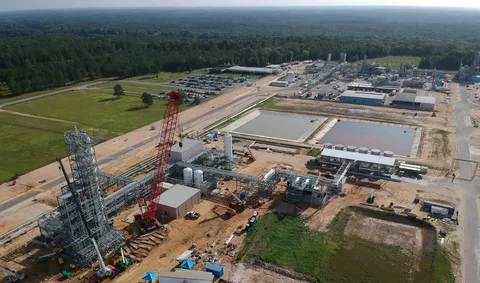
Across North Carolina, growing concerns about PFAS and GenX contamination have raised serious questions about drinking water safety, especially for homeowners who rely on private wells. Unlike municipal water systems, private wells are not regulated under the Safe Drinking Water Act, which means testing and treatment responsibilities fall entirely on the homeowner.
This issue is particularly important in regions where industrial pollution has historically affected groundwater sources. For families who depend on wells, understanding potential risks and preventive steps is essential. Consulting professionals experienced in trusted plumbing in North Carolina can help homeowners better understand how their plumbing systems interact with well water quality and filtration systems.
What Are PFAS and GenX, and Why Are They a Concern for Private Wells?
PFAS (Per- and Polyfluoroalkyl Substances) are a group of synthetic chemicals used in industrial manufacturing and consumer products such as nonstick cookware, waterproof fabrics, and firefighting foam. GenX is a newer PFAS compound used as a replacement for older chemicals.
These substances are known as “forever chemicals” because they do not easily break down in the environment. When PFAS or GenX enter groundwater sources, they can contaminate private wells and potentially pose health risks over long-term exposure.
Where PFAS and GenX Contamination Occur in North Carolina
North Carolina has experienced several high-profile cases of PFAS contamination in groundwater and surface water. Some of the most affected areas have been linked to manufacturing facilities and industrial discharge sites.
Regions most commonly studied for PFAS exposure include:
-
The Cape Fear River Basin and surrounding communities
-
Areas near chemical manufacturing facilities
-
Locations where firefighting foam has been used extensively, such as airports or military training grounds
Homeowners using private wells near these areas may face higher contamination risks because well water often pulls directly from underground aquifers that can be affected by industrial runoff.
Even communities far from these sites should remain aware of the issue. Environmental researchers note that PFAS chemicals can travel through soil and groundwater systems over time.
Why Private Wells Are More Vulnerable
Municipal water systems are regularly monitored and treated for contaminants. Private wells, however, operate outside these regulatory protections, which makes them more vulnerable to groundwater contamination.
One major factor is the lack of routine testing. Most private wells are tested only when a homeowner chooses to have a water test, and PFAS testing is not typically included in standard well-testing packages. Without regular testing, contamination may go undetected for long periods.
Another concern is the direct dependence on groundwater sources. Private wells draw water straight from underground aquifers, which may accumulate contaminants from nearby industrial activities or environmental runoff.
Additionally, many homes rely on basic filtration or softening systems that are not designed to remove PFAS chemicals. As a result, homeowners often become aware of contamination only after regional environmental studies or voluntary water testing programs identify elevated PFAS levels.
Signs Homeowners Should Test Their Well Water
PFAS contamination is particularly challenging because it typically does not affect the taste, smell, or appearance of water. That means visual clues are rarely reliable indicators of contamination.
However, homeowners may want to consider testing their well water under certain circumstances:
-
Your home is located near industrial or chemical manufacturing areas
-
Local environmental reports mention PFAS or GenX contamination nearby
-
Your well is located close to a river basin or a known contamination site
-
Your well water has not been professionally tested in several years
Environmental agencies generally recommend periodic testing as a precaution for households that rely on private wells for drinking water.
What Homeowners Can Do to Reduce Risk
Although PFAS contamination can be concerning, there are several proactive steps homeowners can take to protect their water quality.
The first step is scheduling professional water testing. Laboratory testing is the only reliable way to determine whether PFAS chemicals are present in well water. Specialized tests can identify contamination levels and help determine whether treatment solutions are necessary.
Installing advanced filtration systems is another important measure. Certain technologies are known to effectively remove PFAS chemicals from drinking water. These include:
-
Activated carbon filtration systems
-
Reverse osmosis systems
-
Specialized PFAS filtration units
Routine maintenance of the well system is also critical. Regular inspection of well pumps, pressure tanks, and filtration equipment helps ensure that the system continues operating safely and efficiently.
In many cases, homeowners work with plumbing professionals who understand infrastructure and water filtration systems. Experienced professionals, including trusted plumbers in Asheville, NC, can help evaluate filtration setups and ensure plumbing systems connected to private wells function properly. Companies such as Four Seasons Plumbing often assist homeowners with assessing filtration options and maintaining plumbing systems that support safe well water use.
Protecting Your Well Water From PFAS Contamination
PFAS and GenX contamination in groundwater is an emerging environmental issue that many North Carolina homeowners are only beginning to understand. For households relying on private wells, staying informed and proactive is essential. Regular water testing, appropriate filtration systems, and professional plumbing guidance can all play a role in protecting household water quality.
Homeowners seeking reliable information about well systems and filtration options often turn to professionals experienced in trusted plumbing in North Carolina. Local service providers such as Four Seasons Plumbing work with residential plumbing and well systems across the region, helping homeowners better understand solutions that support safe and dependable water use.
