


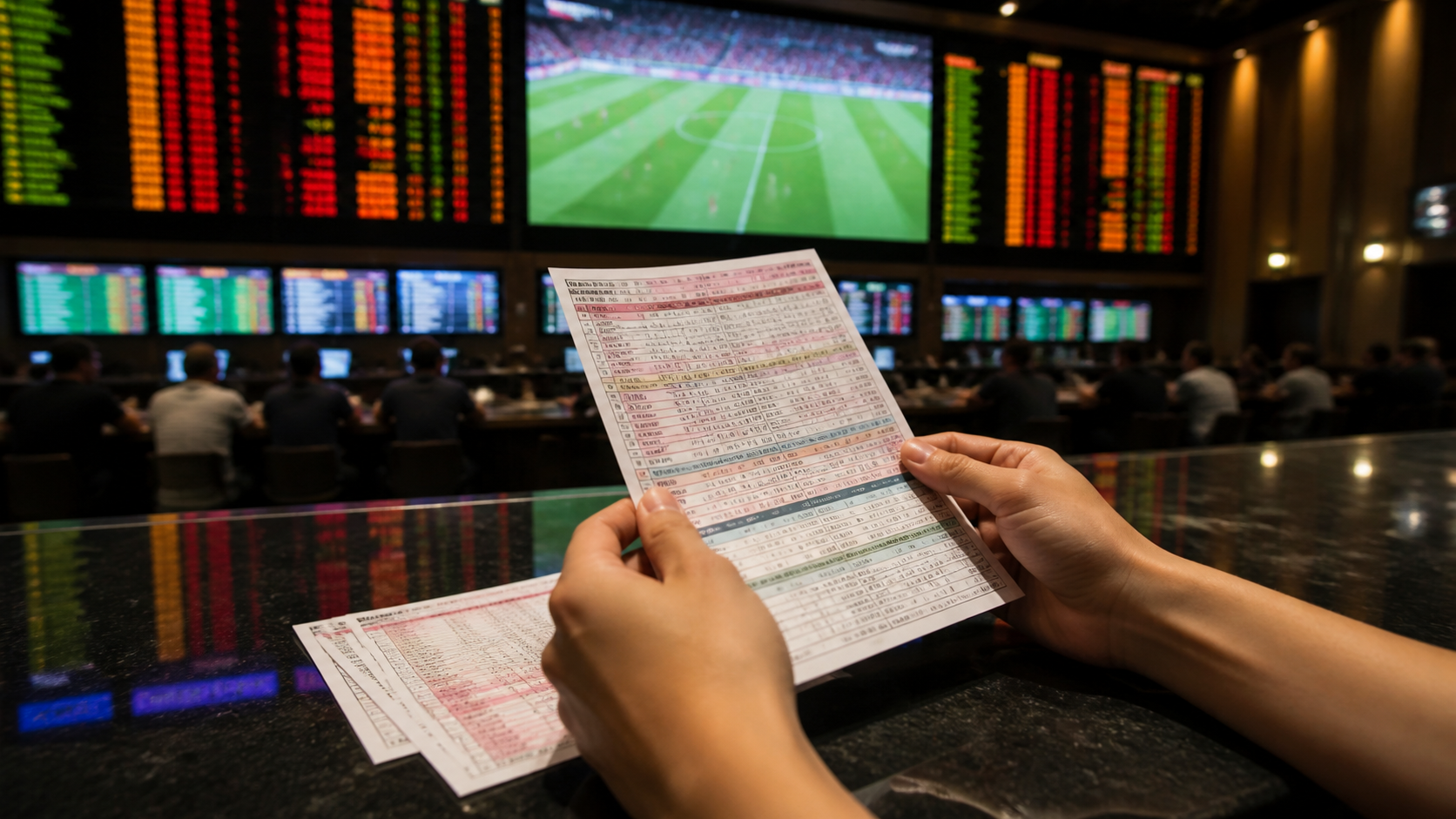
Sports betting in Malaysia sits at the intersection of entertainment, discipline, and local realities that shape how people choose to participate. For many readers, the subject is not just about picking a team or following a match; it also involves understanding the formats available, the risks involved, and the habits that help keep the experience controlled and sensible.
That is why a useful guide should do more than define the basics. It should help readers think clearly about odds, market types, budgeting, and the difference between casual interest and impulsive play. If you are exploring sports betting malaysia, it helps to approach it as a pastime that benefits from attention, patience, and a realistic understanding of what it can and cannot deliver.
Understanding the sports betting landscape in Malaysia
The first thing to understand is that sports betting is rarely just one activity. Depending on the platform or format, it may involve simple match-winner bets, combined selections, live betting, or more detailed market choices tied to specific outcomes within a game. Each format comes with its own pace, level of complexity, and degree of risk.
For readers in Malaysia, the practical experience often depends on accessibility, familiarity with sports, and the ability to compare options carefully. Some people focus on football because they already follow the teams and leagues closely. Others prefer basketball, tennis, or other events where they feel comfortable reading momentum and form. The key is to choose markets you can actually follow rather than placing bets on unfamiliar competitions simply because they look tempting.
Another important point is that sports betting should be treated as a form of entertainment with a cost attached to it. When people understand that cost from the start, they are more likely to stay in control and less likely to chase losses or bet emotionally after a bad result.
How to read odds and market types more confidently
Odds are the backbone of sports betting. They express both possible returns and the implied likelihood of an outcome. A bettor does not need to be a mathematician to use them well, but it does help to understand what the numbers are saying before placing any stake.
Different market types can also change the experience significantly. Some are straightforward, while others depend on combinations of outcomes, timing, or in-game events. The more complicated the market, the more important it becomes to slow down and think through each selection rather than relying on instinct alone.
Common betting choices to evaluate
- Match winner or outright result
- Over/under style totals
- Handicap-based selections
- Live or in-play markets
- Multi-selection or accumulator bets
Each of these serves a different purpose. Straightforward bets are easier to follow, especially for newer players, while more advanced markets may appeal to experienced bettors who are comfortable assessing several variables at once. Still, a more complex option is not automatically a better one. In many cases, simpler choices are easier to manage and review.
It is also wise to compare the logic behind a bet with the actual match situation. A popular team does not always offer value, and a short-priced favourite is not always the safest option if conditions, injuries, or recent form suggest otherwise. Careful reading matters more than emotional support for a team.
Budgeting, discipline, and responsible play
One of the most useful habits in sports betting is setting a clear budget before anything begins. A betting budget should be money that can be comfortably set aside for entertainment, not funds needed for living expenses, rent, debt, or other priorities. Once that boundary is in place, it becomes easier to avoid impulsive decisions.
Discipline also means deciding when to stop. A player who keeps increasing stakes after a losing run is often reacting to frustration rather than logic. That pattern can quickly damage the experience and make results harder to manage. A better approach is to treat each bet as independent and avoid trying to recover losses in a hurry.
Practical habits that support control
- Set a fixed spending limit before betting
- Avoid placing bets while upset or distracted
- Keep bets small enough to absorb normal variance
- Review your activity regularly
- Stop when the session is no longer enjoyable
These habits may sound simple, but they are often the difference between controlled entertainment and stressful behavior. The most consistent bettors are usually not the boldest; they are the ones who can pause, reassess, and remain selective even when the result of a match becomes unpredictable.
Responsible play also includes understanding that sports outcomes are never certain. Even when a pick appears strong, unexpected events happen. Injuries, tactical changes, weather, refereeing decisions, and late-game pressure can all affect the outcome. Accepting that uncertainty makes the process more realistic and less emotionally demanding.
Choosing a platform with care
When people compare sports betting options, they often focus first on promotions or flashy presentation. Those elements may be visible, but they should not be the main deciding factor. What matters more is whether the experience feels clear, stable, and easy to navigate. A bettor should be able to understand the markets, review the terms, and follow the steps without confusion.
Transparency is especially helpful. If a platform makes it difficult to find important information, that can be a warning sign. Clear rules, understandable market descriptions, and a sensible interface are all useful, because they reduce the chance of accidental mistakes. The goal is to keep the attention on the match and the decision, not on trying to decode the platform itself.
It also helps to think about how the platform supports routine use. Smooth navigation, readable odds, and straightforward account management can make a noticeable difference over time. A good betting experience should not feel rushed or cluttered. It should give the user enough clarity to act deliberately.
Better decision-making before and during a match
Good sports betting decisions usually begin before the game starts. That means looking at team form, recent performance trends, injuries, playing style, and any other context that genuinely affects the likely outcome. It does not mean relying on hype, social media noise, or a single strong opinion.
During the match, live betting can tempt people into fast choices. That can be useful in some cases, but it also raises the chance of overreacting. A single early goal or mistake can shift a game dramatically, yet not every swing should trigger a bet. Sometimes the smartest move is to wait and observe rather than rush in.
Questions worth asking before betting
- Do I understand this market clearly?
- Am I betting based on logic or emotion?
- Does this stake fit my budget?
- Would I still make this choice if the matchup were less familiar?
- Am I comfortable accepting the possibility of losing this amount?
These questions help create a pause between impulse and action. That pause is valuable because sports betting works best when the decision-making process is calm. A thoughtful bettor is less likely to overextend and more likely to notice when a selection does not offer enough reason to proceed.
It is also useful to remember that betting should never replace enjoyment of the sport itself. If every match becomes stressful, then the balance has shifted in the wrong direction. The healthiest approach is one where the game still matters on its own terms, regardless of whether a bet has been placed.
Conclusion: keeping sports betting informed and controlled
Sports betting in Malaysia is easiest to manage when it is approached with structure rather than excitement alone. Understanding odds, choosing familiar markets, setting a budget, and staying disciplined all help turn the experience into something more measured and manageable. None of these habits removes risk, but they can make the activity clearer and less impulsive.
For readers considering their next step, the main takeaway is simple: focus on knowledge, control, and realistic expectations. That mindset does not guarantee results, but it does support better decisions and a more sustainable relationship with betting over time.
