


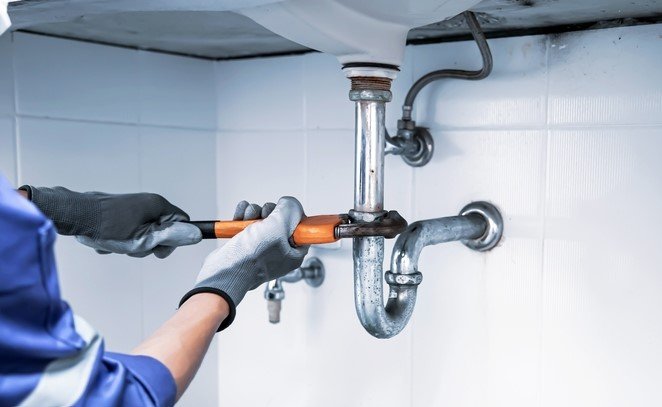
Home improvement content makes plumbing look deceptively simple: tighten a fitting, swap a faucet, pour a drain cleaner, and you’re done. In real life, plumbing systems are pressurized, code-regulated, and interconnected. A small “weekend fix” can quickly turn into water damage, mold growth, exposure to sewer gas, or an expensive emergency call.
If you’re weighing whether to DIY or hire help, this guide breaks down the hidden risks, how to make safe decisions, and when it’s smartest to call a licensed plumber, especially for homeowners who need reliable plumbing repair in Hendersonville, NC solutions.
Why Plumbing Problems Are Riskier Than They Look
Most plumbing failures aren’t dramatic at first. Many start as tiny leaks, slow drains, or occasional toilet issues. But plumbing is a closed system: small mistakes can create compounding problems behind walls, under floors, or in crawlspaces.
Common reasons DIY plumbing goes wrong:
- Pressure + temperature: Supply lines are under constant pressure, and hot water accelerates wear on washers, connectors, and valves.
- Hidden damage: Corrosion, mineral buildup, and hairline cracks are easy to miss.
- Multiple systems overlap: Your plumbing interacts with ventilation, drainage slope, and sometimes gas lines and electrical components.
- Code and safety requirements: Improper materials, missing shutoffs, or incorrect venting can lead to failed inspections and safety hazards.
DIY Plumbing Mistakes that Can Become Costly
Not all DIY work is dangerous; replacing a showerhead or a toilet flapper can be reasonable if you’re careful. The trouble is that many projects fall into the “looks easy, but isn’t” category.
1) Over-tightening fittings and damaging threads
A common DIY mistake is cranking down on threaded connections to stop a drip. Over-tightening can crack plastic fittings, deform compression rings, or strip threads. It may seem sealed… until it fails later under pressure.
Better approach: Use the correct fitting type and sealing method (thread tape vs. pipe dope), and stop tightening when the connection is secure—not when it’s maxed out.
2) Using the wrong pipe material or connector
Mixing materials incorrectly (for example, certain metals that corrode when joined) can accelerate failures. The same goes for using the wrong adapter, a poor-quality flexible connector, or an unapproved repair coupling.
Why it matters: A “temporary” connector often becomes permanent and those shortcuts are exactly what leak first.
3) Chemical drain cleaners causing pipe damage
Chemical cleaners can weaken older pipes, damage seals, and create heat during the reaction. They can also make a future professional repair more hazardous.
Safer first steps: A plunger, a manual drain snake, and cleaning a P-trap are typically safer than harsh chemicals.
4) Misdiagnosing the real source of the problem
A dripping ceiling doesn’t always mean a leaky pipe directly above it. Water can travel along joists or drywall. Similarly, low water pressure might be caused by a failing pressure regulator, mineral buildup, a partially closed valve, or a more serious issue.
The risk: DIY repairs based on assumptions can hide the true problem while the damage continues.
5) Ignoring shutoff valves or not knowing where they are
Many emergency floods happen because the homeowner can’t shut off the water quickly. Some homes have older valves that break or won’t fully close.
Pro tip: Know where the main shutoff is and test it periodically. If it’s stiff or leaking, that’s a solid reason to call a plumber.
Health and safety concerns homeowners overlook
Plumbing isn’t just “water.” It can involve contaminated waste, bacteria, mold, and even combustion risks in some setups.
- Sewer gas exposure: Dry traps, broken vents, or improper drainage work can allow sewer gases into the home.
- Contamination risk: Incorrectly installed backflow components can increase the chance of cross-contamination.
- Mold growth: Even a slow leak behind drywall can lead to mold in days to weeks.
- Burn/scald risk: Water heaters and mixing valves can cause scalding temperatures if adjusted incorrectly.
If any of these concerns apply, particularly odors, recurring moisture, or visible discoloration, professional evaluation is usually the safest option.
When to Call a Professional Plumber (a practical checklist)
Consider calling a licensed plumber if you notice any of the following:
- Repeated clogs in the same drain (especially multiple fixtures backing up)
- Water stains on ceilings/walls, soft spots in flooring, or musty odors
- No hot water, inconsistent temperature, or banging/popping near the water heater
- Sudden low water pressure throughout the house
- A leak at a shutoff valve, pressure regulator, or main line
- Any sign of a slab leak or water pooling near the foundation
- DIY fixes that keep “almost working” but don’t hold
In these situations, a professional diagnosis often saves money because it addresses the root cause, not just symptoms.
What a Reputable Plumbing Company Does Differently
For homeowners comparing options, the difference isn’t only tools; it’s the process.
A reputable plumber typically:
- Uses leak detection methods to confirm the true source
- Selects code-compliant materials for your system and region
- Tests repairs under pressure and checks for secondary issues
- Protects the home during work (shutoff procedures, containment, cleanup)
- Provides documentation and recommendations to prevent repeat failures
When you’re searching for the best plumbing company in North Carolina, look for licensing/insurance, transparent estimates, clear warranty terms, and reviews that mention professionalism and follow-through.
Local Note for Hendersonville Homeowners
Homes in and around Hendersonville can include older plumbing materials, crawlspaces, and seasonal temperature swings that stress pipes and fittings. If you’re dealing with a recurring leak, slow drains, or water heater concerns, working with a team experienced in local conditions matters.
For those specifically needing plumbing repair in Hendersonville, NC, consider reaching out to a trusted provider like Four Seasons Plumbing A professional assessment can help you avoid repeat repairs, protect your home from water damage, and restore plumbing performance safely, without the trial-and-error that often comes with DIY.
Frequently Asked Questions
Is DIY plumbing ever okay?
Yes, simple tasks like replacing a showerhead, clearing a minor sink clog with a plunger, or swapping a toilet flapper can be safe if you shut off the water and follow instructions carefully.
What’s the biggest risk of DIY plumbing?
Hidden leaks. A small mistake can release water behind walls or under floors for weeks before you notice, leading to major repairs.
How do I know if a leak is an emergency?
If you can’t stop water flow, see ceiling bulging, smell sewage, or notice water near your foundation, treat it as urgent and call a professional.
Why do drains keep clogging after I clear them?
Recurring clogs often mean buildup deeper in the line, poor pipe slope, venting issues, or tree root intrusion, problems that usually require professional equipment and diagnosis.
Don’t Risk Damaging Your Home, Call the Professionals
DIY can be satisfying, but plumbing isn’t the place to gamble with guesswork. When the issue involves persistent leaks, repeated clogs, water heater problems, or anything hidden behind walls and floors, a licensed plumber is the safer and more cost-effective choice.
