


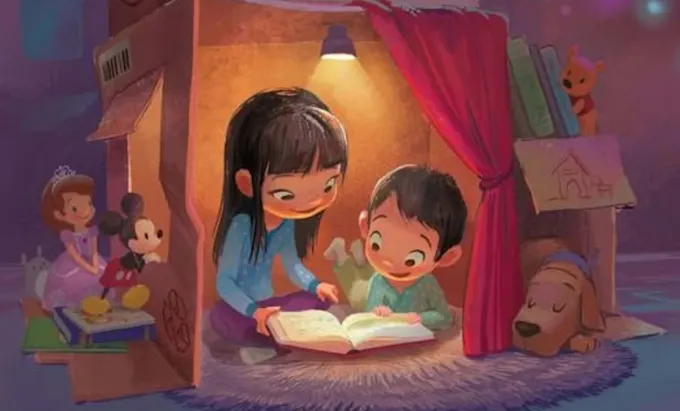
There is something quietly powerful about a child curled up with a storybook, eyes wide as a new world unfolds page by page.
Kids storybooks are far more than entertainment—they are one of the most effective tools we have for nurturing imagination, building vocabulary, and strengthening the bond between a child and the adult reading alongside them.
Whether it is a bedtime ritual or a quiet afternoon activity, storybooks shape how children see themselves and the world around them.
In this article, we will explore why storybooks matter so much in early childhood, what makes a great one, and how parents, carers and educators can build a home library that a child will treasure for years.
Why Storybooks Matter for Child Development
Reading to children from an early age has a well-documented impact on language development, cognitive growth and emotional wellbeing.
Long before a child can read independently, they are absorbing rhythm, sentence structure and new words simply by listening. This early exposure lays the groundwork for literacy skills that will support them throughout school and beyond.
Storybooks also help children:
- Develop empathy by seeing the world through a character’s eyes
- Build vocabulary and comprehension through repeated exposure to new words
- Understand cause and effect through simple narrative structures
- Process big emotions, such as fear, jealousy or excitement, in a safe context
- Strengthen concentration and listening skills over time
- Foster a lifelong love of reading and curiosity about the world
Organisations dedicated to literacy and children’s literature consistently highlight the role that storytelling plays in shaping young readers. The National Library of Australia, for example, offers resources exploring how stories have shaped Australian childhoods through tales of identity, imagination, adventure and place, which is a lovely reminder that storybooks do more than entertain—they help children make sense of who they are and where they belong. You can explore these resources on the National Library of Australia website.
What Makes a Great Kids’ Storybook?
Not all storybooks are created equal. The best ones strike a careful balance between simplicity and depth, offering just enough complexity to challenge a young mind without overwhelming it. A few qualities tend to set brilliant children’s books apart from the rest.
Engaging Illustrations
Young children are visual learners, and illustrations often do as much storytelling work as the text itself. Bright, expressive artwork helps children follow the plot, recognise emotions on characters’ faces, and stay engaged from the first page to the last.
Rhythmic, Repetitive Language
Books with rhyme, repetition or a predictable pattern are particularly effective for younger readers.
This structure makes stories easier to follow and, importantly, easier to remember—which is why so many childhood favourites are the ones little ones ask to hear again and again.
Relatable Characters and Themes
Whether it is a mischievous animal, a curious child or a magical creature, the best storybook characters reflect experiences and emotions that children recognise in their own lives, even when the setting is entirely fantastical.
A wonderful example of a book that ticks all these boxes is Room on the Broom, the much-loved rhyming tale of a kind witch, her cat and a growing group of animal friends who help save the day.
With its playful rhythm, colourful illustrations and gentle message about friendship and kindness, it has become a firm favourite in homes and classrooms across Australia and beyond.
Choosing Storybooks by Age and Stage
Children’s reading needs change quickly as they grow, so it helps to think about age and developmental stage when selecting books.
- Babies (0–12 months): Board books with high-contrast images, simple words and textures to touch and explore.
- Toddlers (1–3 years): Short, rhythmic stories with repetition, bright pictures and familiar routines like bedtime or mealtimes.
- Preschoolers (3–5 years): Slightly longer stories with clear plots, silly humour and characters who model problem-solving and emotional regulation.
- Early primary schoolers (5–8 years): Chapter-style picture books, early readers and stories that introduce more complex themes, such as friendship struggles or overcoming fears.
Matching a book to a child’s stage keeps them engaged and builds confidence, rather than causing frustration with content that is too advanced or boredom with content that is too simple.
Building a Home Storybook Collection
You don’t need an enormous budget or a house full of shelving to create a meaningful storybook collection. A thoughtful, well-loved handful of books often has more impact than an overflowing, unread pile.
Here are some practical tips for building a collection that grows with your child:
- Start with a mix of genres: fairy tales, animal stories, rhyming books and gentle non-fiction
- Visit your local library regularly to borrow books before committing to purchases
- Ask children which stories they want to hear again—repetition is a feature, not a flaw
- Include books that reflect diverse characters, cultures and family structures
- Rotate books seasonally to keep the collection feeling fresh and exciting
- Involve children in choosing new titles, which builds a sense of ownership over reading
Second-hand bookshops, school fetes and local libraries are excellent, budget-friendly sources for growing a collection without unnecessary waste.
Making Storytime a Daily Habit
The benefits of storybooks multiply when reading becomes a consistent part of daily life, rather than an occasional treat. A short, unhurried session—perhaps ten to fifteen minutes before bed—can become one of the most anticipated parts of a child’s day.
A few simple habits can make storytime more effective:
- Choose a consistent time and cosy spot, free from screens and distractions
- Use different voices for characters to bring the story to life
- Pause to ask questions like “What do you think happens next?”
- Let children turn the pages or point to pictures as you read
- Reread favourites without worrying that it is “too repetitive”
Over time, these small daily rituals build not just literacy skills but also a warm emotional association with reading itself—one that often carries into adulthood.
Final Thoughts
Kids storybooks do far more than fill an idle afternoon. They shape vocabulary, spark imagination, teach empathy and create cherished memories between children and the adults who read to them.
By choosing age-appropriate books, building a thoughtful home collection and making storytime a regular habit, families can give children one of the greatest gifts of childhood: a genuine love of stories that lasts a lifetime.
