


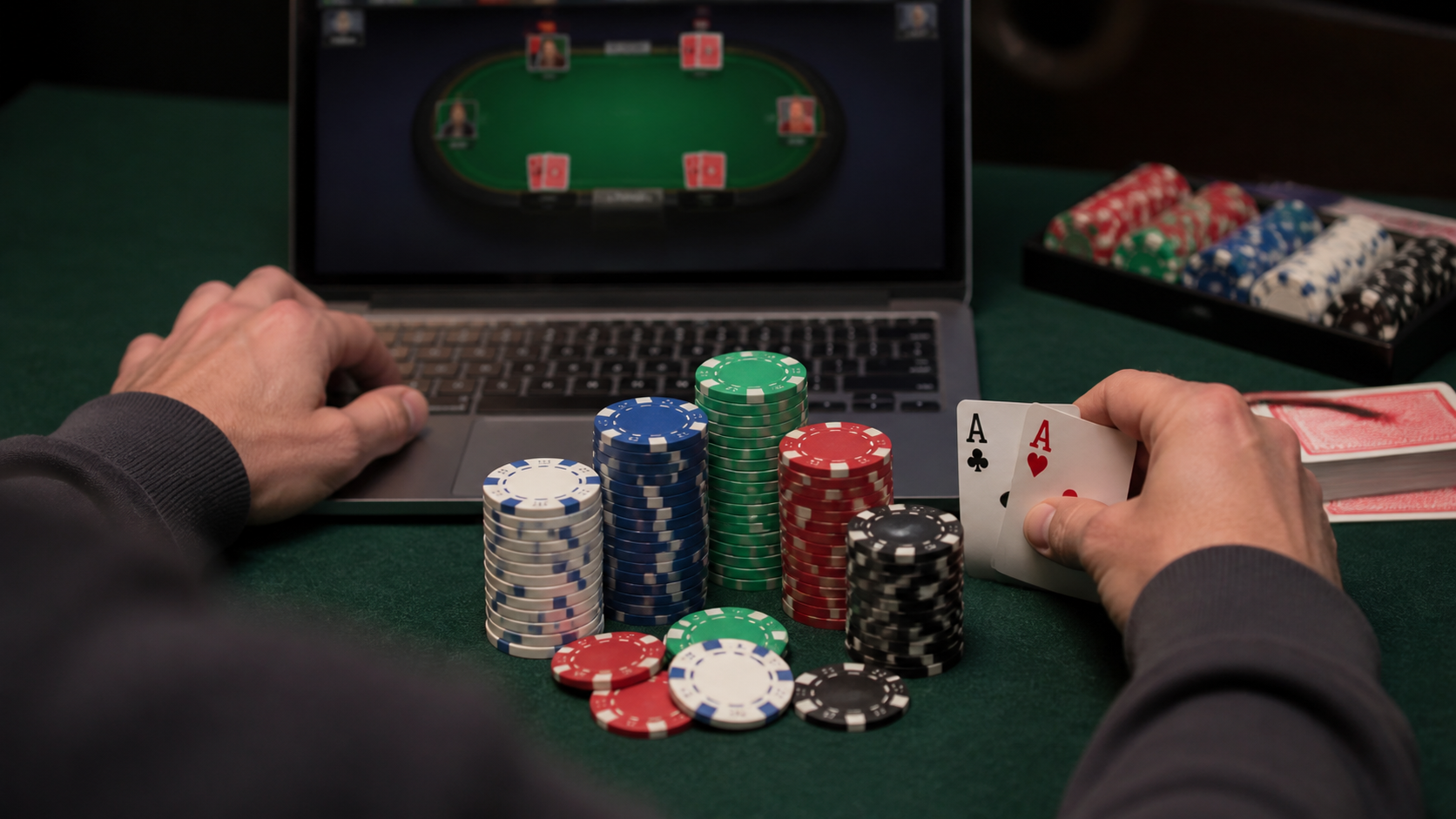
Online poker has become one of the most accessible ways to enjoy a strategic card game without needing to sit at a physical table. For many players, the appeal is not only convenience but also the pace of modern play, the variety of formats available, and the chance to build a more disciplined approach over time. Unlike games that depend mostly on luck, poker rewards observation, patience, and informed decision-making, which is part of why it continues to attract both casual players and serious enthusiasts.
If you are exploring เล่นโป๊กเกอร์ออนไลน์ , it helps to understand that the experience is shaped by more than just the cards you are dealt. Table selection, game format, bankroll habits, and emotional control all affect how enjoyable and sustainable the game feels. A thoughtful approach can make the difference between scattered sessions and a more consistent playing style.
Because poker has many variations and skill levels, new players can sometimes feel overwhelmed by the number of choices. The good news is that the basics are straightforward once broken into clear parts. By focusing on game types, table behavior, and practical habits, players can build confidence without rushing into decisions they do not yet understand.
Why Online Poker Appeals to Different Types of Players
One reason online poker remains popular is the flexibility it offers. Players can join a table for a short session or spend more time studying patterns and improving their approach. The digital format also makes it easier to explore different stakes and formats without the social pressure that sometimes comes with live play.
Another attraction is the range of experiences available. Some players prefer fast-paced games that move quickly, while others enjoy slower tables that allow more time to think through each hand. This variety means the game can suit different personalities, provided the player chooses formats that match their comfort level.
Online play can also support learning. With fewer distractions than a busy live venue, it is easier to focus on betting patterns, position, and timing. Players who pay attention to these details often find that they make better decisions over time, even in relatively simple games.
Understanding the Main Formats Before You Join a Table
Before sitting down to play, it is useful to understand the main types of poker games you are likely to encounter. Each format asks for slightly different habits, and a player who knows the structure is less likely to feel lost in the middle of a session.
Cash Games and Their Pace
Cash games are usually the most direct format. Chips have a fixed value, and players can enter or leave without waiting for a tournament to finish. This makes the format attractive for those who want flexibility and a more measured pace. It also allows players to focus on each hand individually rather than thinking only about long-term survival in a large event.
In cash games, discipline matters. It is easy to stay longer than planned, especially after a few interesting hands. Setting personal limits before the session begins can help keep decisions consistent and prevent emotional reactions from shaping the way the game unfolds.
Tournaments and Changing Table Pressure
Tournaments create a different kind of tension. Every decision carries more weight because elimination is part of the structure. Players often need to adapt as blinds rise and table dynamics shift. A hand that would be playable early in a tournament may no longer be wise later on, which means flexibility is important.
Tournament play can be appealing for players who enjoy progression and the challenge of adjusting to changing conditions. However, it also requires patience. Rushing decisions because of pressure can lead to unnecessary losses, so it is usually better to think in terms of position, stack size, and timing rather than chasing every opportunity.
Practical Habits That Improve Decision-Making
Good poker habits are often more valuable than dramatic moves. Many players improve simply by tightening their choices and reducing avoidable mistakes. Consistency tends to matter more than flashy hands, especially over multiple sessions.
One of the most useful habits is paying attention to position. Acting later in a hand gives more information, which can influence whether a call, raise, or fold makes sense. Another useful habit is noticing how opponents behave across several hands rather than reacting to a single bet. Patterns are usually more informative than isolated moments.
- Set a clear session length before you start playing.
- Decide in advance how much of your bankroll you are comfortable using.
- Choose tables that match your experience level.
- Avoid chasing losses after a difficult hand or session.
- Review your own decisions after play to spot recurring mistakes.
These habits may seem simple, but they can create a steadier mindset. Poker is easier to manage when the player treats it as a game of choices rather than a series of emotional swings.
What to Look for in a Trustworthy Playing Environment
The environment matters because even a strong strategy can be undermined by poor conditions. Players should look for a platform that feels clear, stable, and easy to navigate. A good interface helps the game flow smoothly, while unclear menus or confusing table layouts can create unnecessary mistakes.
It is also wise to pay attention to the level of competition. Some tables are full of cautious players, while others are more aggressive and unpredictable. Neither is automatically better, but each demands a different response. A player who understands the table atmosphere can adjust more effectively and avoid forcing a style that does not fit the moment.
Responsible play also belongs in this conversation. Poker should remain a form of entertainment, not a source of pressure. When the game stops feeling enjoyable, it is usually better to step away than to keep playing out of habit. Small, steady decisions are more valuable than emotional ones.
Common Mistakes That Can Undermine Your Results
Many poker mistakes come from impatience. Players may enter too many hands, call too often, or continue betting after a situation no longer supports the original plan. These errors are common because poker creates plenty of tempting moments, and not every strong-looking hand is truly worth pursuing.
Another frequent mistake is ignoring table dynamics. A move that works against one opponent may fail against another. Good players pay attention to how the table is behaving and adjust their approach accordingly. This is especially important online, where sessions can move quickly and patterns can change faster than expected.
Overconfidence can also become a problem. A few successful sessions do not necessarily prove that a strategy is strong. It is better to think in terms of repeated decision quality. When players focus on making solid choices over time, they are less likely to be thrown off by short-term swings.
Finally, some players overlook the value of review. Even a brief look back at key hands can reveal whether a decision was thoughtful or rushed. That kind of reflection is often more useful than trying to memorize complicated theories before the basics are comfortable.
Building a Sustainable Approach to Long-Term Play
Long-term success in poker is usually built on patience, self-awareness, and a willingness to keep learning. Players who enjoy steady improvement often do better when they treat each session as part of a wider process rather than as a one-time event. This mindset makes it easier to accept that some sessions will go well and others will not.
Bankroll discipline is central to sustainability. Even if a player is comfortable with the game, it is sensible to separate entertainment funds from everyday money and avoid using poker results to shape broader financial decisions. That separation helps keep the activity balanced and reduces the chance of frustration affecting other parts of life.
It can also help to keep goals realistic. Instead of expecting perfection, aim for better habits: fewer rushed decisions, more awareness of position, and greater patience when the table is not favorable. Small improvements often add up more reliably than dramatic changes in style.
For players who enjoy the game for both its challenge and its structure, online poker offers a useful mix of convenience and depth. The more a player understands the table, the format, and their own tendencies, the easier it becomes to make the game feel manageable and rewarding.
